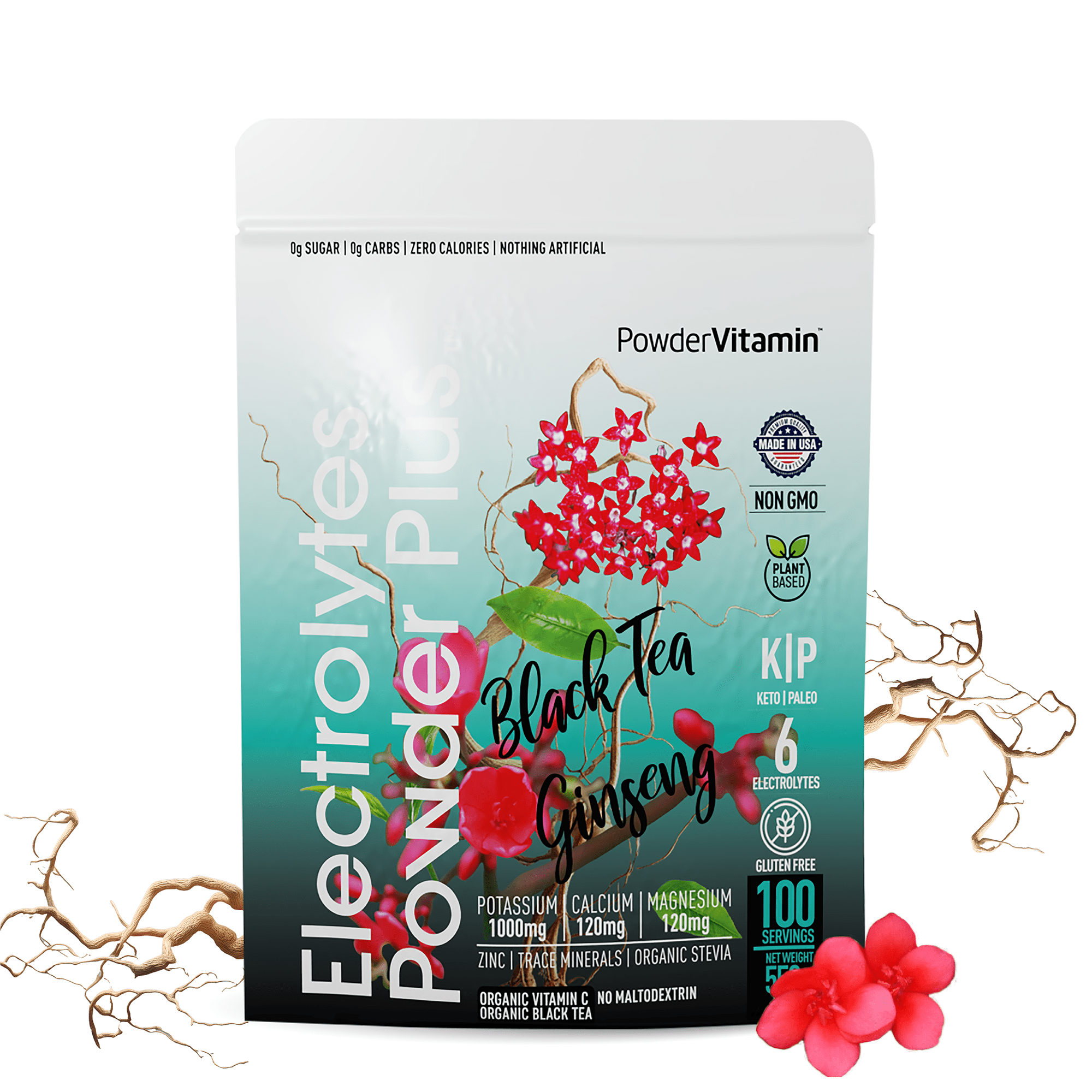
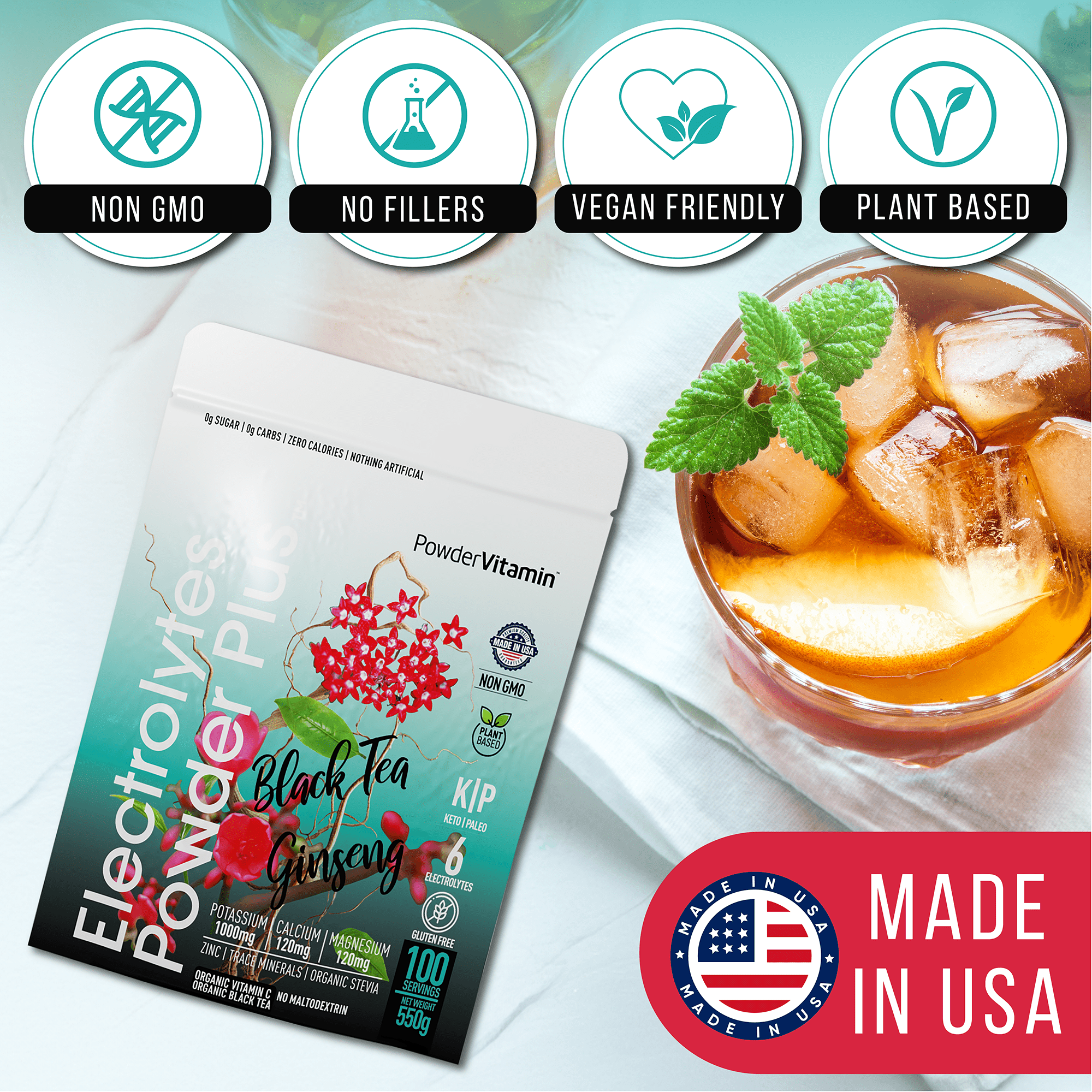
Black Tea Ginseng Electrolytes Powder Plus™ 100 Servings
$36.99 — or Original price was: $36.99.$31.44Current price is: $31.44. / month
Feeling tired, foggy, or just off even though you’re drinking water throughout the day? The best hydration powder might be exactly what you need to actually feel hydrated instead of just drinking more liquid.
Hydration powders have become a staple for everyone from busy professionals to weekend warriors. They promise better absorption, more energy, and that “actually refreshed” feeling that plain water sometimes can’t deliver.
The market is flooded with options now, and honestly, it’s overwhelming. Some products are legitimately helpful, while others are basically overpriced Kool-Aid with a few minerals thrown in.
Let’s break down what actually matters when you’re choosing a hydration powder, so you can make a smart decision without falling for marketing hype.
Your body needs more than just H2O to stay properly hydrated. Water is the foundation, sure, but minerals help your cells actually use that water effectively. When you drink plain water without electrolytes, a lot of it just passes straight through your system.
You’ve probably noticed this if you’ve chugged a bunch of water and then peed it all out within an hour. Electrolytes act like keys that unlock your cells’ ability to absorb and retain water. That’s why hydration powders exist, they’re designed to help your body use water more efficiently.
Sodium is the MVP of hydration. It helps your intestines absorb water faster and signals your body to hold onto fluids instead of flushing them out immediately.
Potassium balances sodium and supports cellular hydration. Together, these two minerals maintain the fluid balance inside and outside your cells, which is what actual hydration is all about.
Sugar or glucose in small amounts can boost hydration too. It activates a specific transport system in your gut that pulls water and sodium into your bloodstream faster than water alone.
Basic electrolyte blends focus on minerals like sodium, potassium, and magnesium. They’re straightforward, effective, and perfect for everyday hydration without extra bells and whistles. Enhanced formulas add vitamins, amino acids, or adaptogens.
These target specific goals like immune support, energy, or recovery beyond just hydration. Performance-focused options pack higher mineral content for athletes or people who sweat heavily. They’re designed for serious physical activity, not casual use.
Constant fatigue despite sleeping well and eating right might mean you’re chronically dehydrated. Your cells need proper hydration to produce energy efficiently.

Frequent headaches, especially in the afternoon, are classic dehydration symptoms. Your brain is mostly water, and even slight dehydration affects how it functions.
Muscle cramps or weakness during normal activities suggest your electrolyte balance is off. You don’t need to be an athlete to experience this, it happens to regular people too.
Sodium content tells you how effective the powder will be, look for at least 200-500mg per serving for daily hydration, more if you’re very active.
The mineral ratio matters more than individual amounts. Sodium and potassium should work together, with magnesium and calcium as supporting players.
Watch out for “proprietary blends” that hide actual amounts. If a company won’t tell you exactly what’s in their product, that’s a red flag worth paying attention to.
Some sugar helps with hydration science. About 2-5 grams of sugar per serving activates that gut transport system we mentioned earlier without spiking your blood sugar. Zero-sugar options use alternatives like stevia, allulose, or monk fruit.
They work fine for hydration but might not provide that slight absorption boost that small amounts of real sugar offer. High-sugar formulas, anything over 15 grams per serving, are basically liquid candy with some minerals added.
They’ll hydrate you, but you’re getting way more sugar than necessary.
Let’s be real, if it tastes terrible, you won’t drink it. The best hydration powder in the world is useless if it sits in your pantry because you can’t stomach the flavor.
Natural fruit flavors tend to taste better and feel cleaner than artificial options. They’re also easier on sensitive stomachs and don’t leave that weird chemical aftertaste.
Unflavored versions give you maximum flexibility. Mix them into juice, smoothies, or other drinks without creating a flavor clash that makes you gag.
First thing in the morning jumpstarts your day, you’re naturally dehydrated after sleeping, and hydration powder helps you rebound faster than coffee alone.
During workouts lasting more than 45 minutes keeps your performance steady. You’re losing fluids and minerals through sweat, and replacing them in real-time makes a noticeable difference.
After alcohol consumption helps combat dehydration from drinking. Taking hydration powder before bed or when you wake up can significantly reduce hangover symptoms.
Airplane cabins are incredibly dehydrating. The humidity is often below 20%, which is drier than most deserts, and you’re sitting still for hours breathing recycled air. Time zone changes mess with your body’s fluid regulation.
Staying properly hydrated helps your body adjust faster and reduces that awful jet-lagged feeling. Pack individual packets in your carry-on and mix them with water during your flight. It’s way better than relying on the tiny cups of water flight attendants bring around twice.
Drinking too much too fast . Overwhelms your system, your body can only absorb so much fluid at once, and chugging large amounts just means more bathroom trips.
Using hydration powder with caffeinated drinks might seem smart, but caffeine is a diuretic. It pushes water out of your body, partially canceling out the hydration benefits.
Skipping hydration on rest days is a missed opportunity. Your body recovers and repairs on off days, and proper hydration supports all those processes.
Artificial colors . Serve zero purpose except making your drink look pretty. They add potential health concerns without any hydration benefits whatsoever.
Excessive caffeine in hydration products can backfire, a little bit is fine, but high amounts actually dehydrate you, which defeats the entire point.
Long lists of unpronounceable chemicals usually means heavy processing. Simpler formulas with recognizable ingredients tend to work just as well or better.
If you’re tired of hydration powders that under-deliver on actual minerals, PowderVitamin’s hydration packets stand out for one massive reason: 1000mg of potassium per serving.
Most brands give you around 250mg and call it a day. PowderVitamin quadruples that amount, which matters because potassium is crucial for cellular hydration and muscle function, yet consistently under-dosed in most products.
The formula includes six essential electrolytes: potassium, magnesium, calcium, vitamin C, zinc, and organic pink Himalayan salt. It’s genuinely sugar-free and zero-calorie, sweetened only with organic stevia, making it legitimately keto-friendly.
The single-serve packets contain the same premium formula as their larger tubs, just pre-measured for convenience. Toss a few in your gym bag, travel kit, or desk drawer and you’re covered.
PowderVitamin offers 20 flavors ranging from classics like lemonade and raspberry to options like guava kiwi and black tea ginseng. Can’t decide? Grab the variety pack to test multiple flavors without committing to 30 servings of one.
All flavors use real fruit and vegetable extracts, no artificial colors or sweeteners. You’ll notice the difference in the cleaner taste without that chemical aftertaste.
These packets work especially well for:
Check out PowderVitamin’s hydration packet collection here
Daily wellness needs call for balanced, moderate formulas. You want enough minerals to make a difference without going overboard on any single ingredient.
Athletic performance requires higher sodium and carbohydrate content. Your needs during intense exercise are totally different from sitting at a desk all day.
Recovery focus means adding magnesium and sometimes amino acids. These help your muscles repair and reduce soreness after tough workouts or long days.
One serving per day works for most people living normal, moderately active lives. You’re supporting your baseline hydration without overdoing it on minerals. Active individuals might need two servings, especially on workout days.
Space them out, one in the morning and one during or after exercise. More isn’t automatically better with hydration powder. Too much sodium can cause bloating, and excessive minerals can upset your stomach or worse.
Temperature affects taste significantly. Most hydration powders taste better cold, and some become almost undrinkable when warm. Shake vigorously or use a blender bottle with a mixer ball. Clumpy hydration powder is gross and means uneven mineral distribution in your drink.
Drink your mixed powder within a few hours for best quality. While it won’t go bad immediately, freshness affects both taste and effectiveness.
Calculate cost per serving, not per container. A $30 tub with 60 servings beats a $15 tub with 15 servings every single time.
Quality ingredients justify higher prices, sometimes better mineral forms, cleaner sweeteners, and third-party testing cost money but provide real value.
Watch for marketing inflation . Where you’re paying for fancy packaging or celebrity endorsements. Check the actual ingredient panel to see what you’re really getting.
Sports drinks in bottles are convenient but expensive. You’re also drinking more sugar and plastic waste than necessary for the hydration benefits.
Coconut water is natural and tasty but doesn’t always have ideal electrolyte ratios. It’s high in potassium but often low in sodium, which is what you need most.
Hydration tablets or drops offer similar benefits to powder. They’re just different delivery methods, chosen based on convenience and personal preference.
Keto and low-carb diets increase your need for sodium and potassium. These eating styles naturally flush out electrolytes, making hydration powder especially helpful.
Vegan and vegetarian options are widely available. Most hydration powders are plant-based anyway, but check for vitamin D3 source if that matters to you.
People with high blood pressure should monitor sodium intake carefully. Choose lower-sodium formulas and talk to your doctor before adding supplements.
Keep powder in a cool, dry place away from moisture. Bathrooms are terrible storage spots because of humidity from showers. Seal containers tightly after each use. Exposure to air can cause clumping and degrade ingredients over time.
Most powders last 1-2 years unopened and 6-12 months after opening. Check expiration dates and note when you first opened the container.
Immediate improvements in energy and focus happen within 30 minutes for many people. You should feel more alert and less sluggish pretty quickly. Consistent use over weeks brings bigger benefits.
Better skin, improved digestion, reduced afternoon crashes, these build up with regular proper hydration. Hydration powder isn’t magic though. It enhances water intake but doesn’t replace healthy eating, good sleep, or regular movement.
Start with one serving daily at the same time. Morning is ideal for most people, but choose whatever time you’ll actually remember. Keep powder visible on your counter, not hidden in a cabinet. Out of sight means out of mind, and consistency matters more than perfection.
Finding the best hydration powder that fits your taste, goals, and budget makes staying properly hydrated easier and helps you feel genuinely better throughout your day.
Hydration powder enhances water absorption and retention, making it more effective than water alone. Plain water works fine for basic needs, but powder helps your body actually use that water at the cellular level. For people who are very active, stressed, or struggling with dehydration symptoms, powder provides measurably better results than just increasing water intake.
Hydration powder doesn’t directly cause weight loss, but proper hydration supports metabolism and helps reduce false hunger signals. Many people mistake thirst for hunger and eat when they actually need fluids. Better hydration can also improve workout performance, which supports weight management goals. Choose low-sugar or sugar-free options if weight loss is your priority.
Most people notice effects within 15-30 minutes of drinking hydration powder. Your gut absorbs the minerals quickly, especially sodium, which immediately improves water absorption. For ongoing benefits like better energy, improved skin, or reduced cramping, you’ll see progressive improvements over several days to weeks of consistent use.
Absolutely, hydration powder benefits everyone, not just athletes. Office workers, travelers, busy parents, and anyone who wants to feel more energized can benefit from better hydration. You might choose a different formula with lower sodium than athletes need, but the basic principle of enhanced hydration applies to all lifestyles.
Most people experience no side effects when using hydration powder as directed. Some may notice mild bloating if they consume too much sodium too quickly. People with kidney issues or high blood pressure should consult their doctor before regular use. Always follow serving size recommendations and listen to your body’s signals about what feels right.
No account yet?
Create an Account