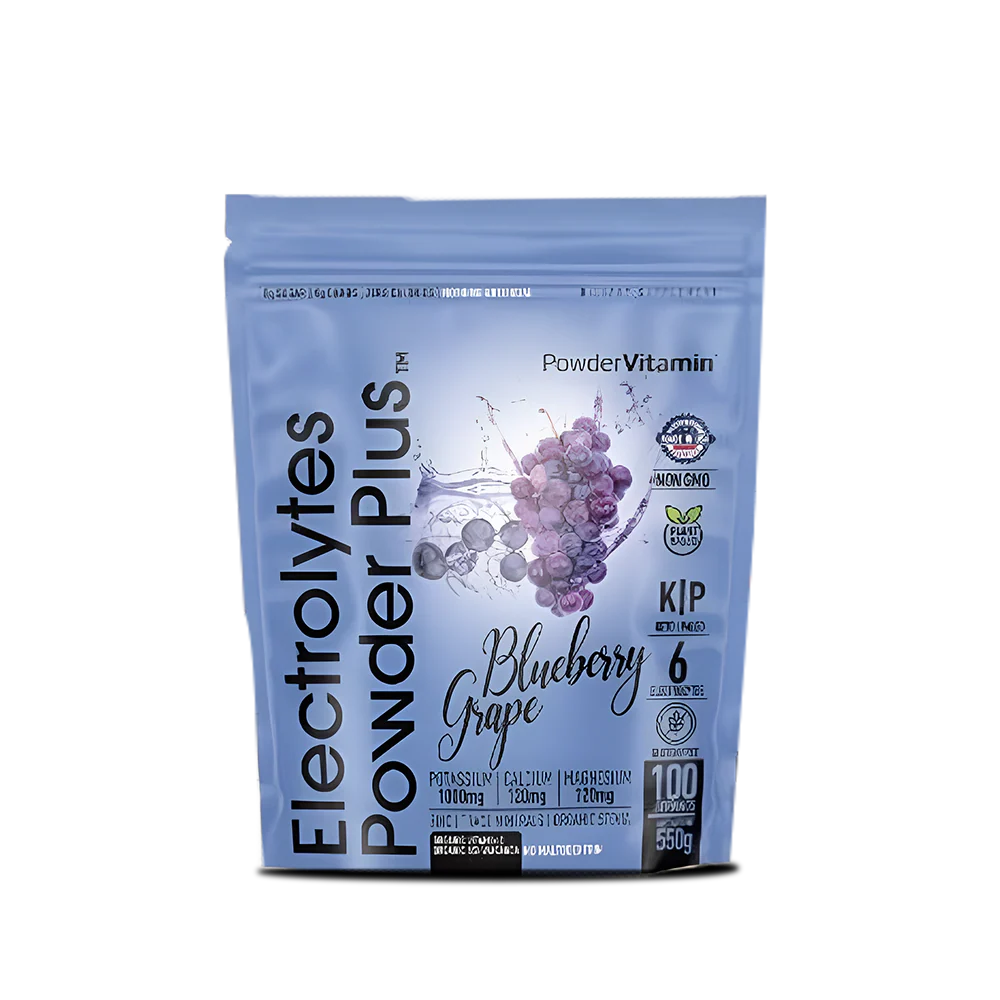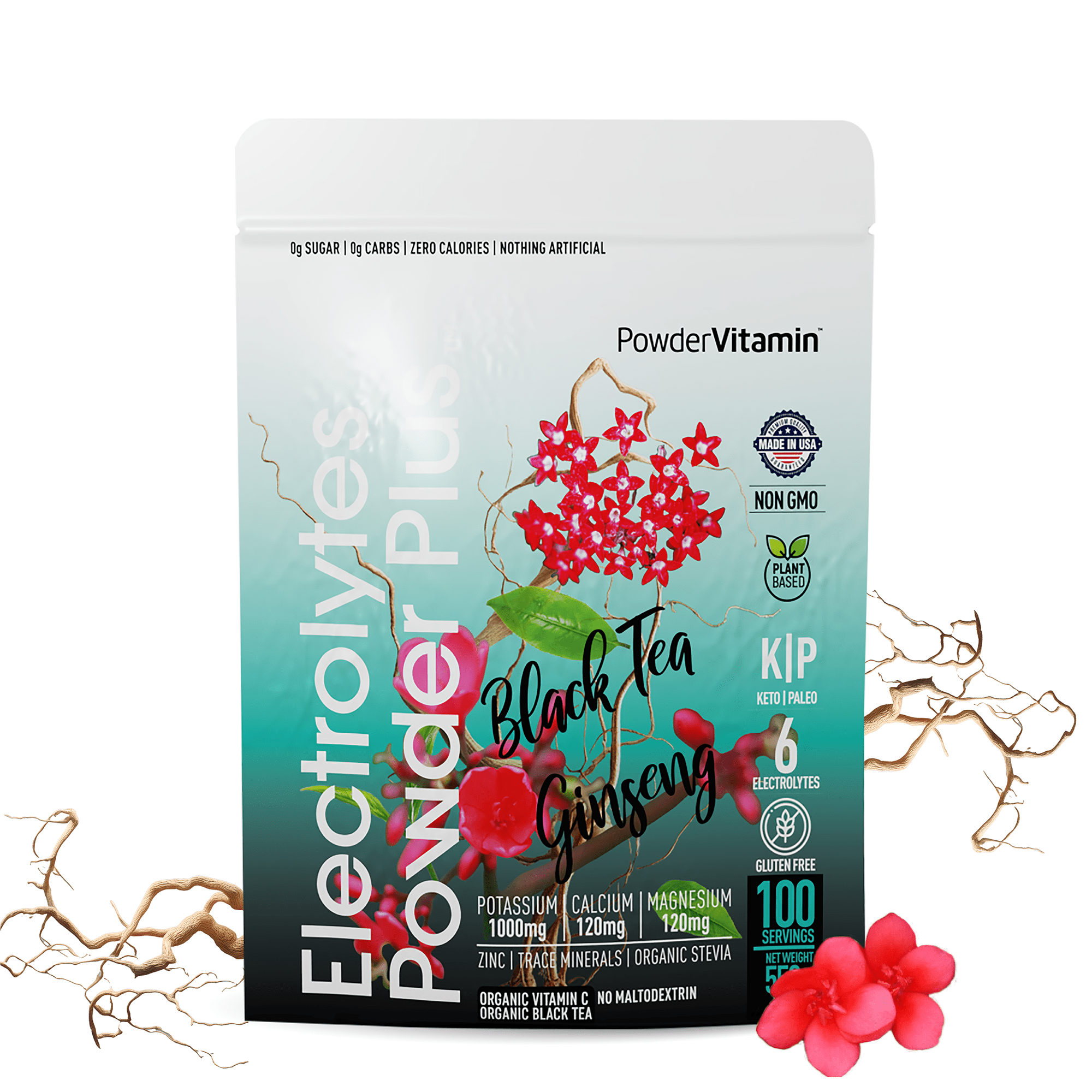
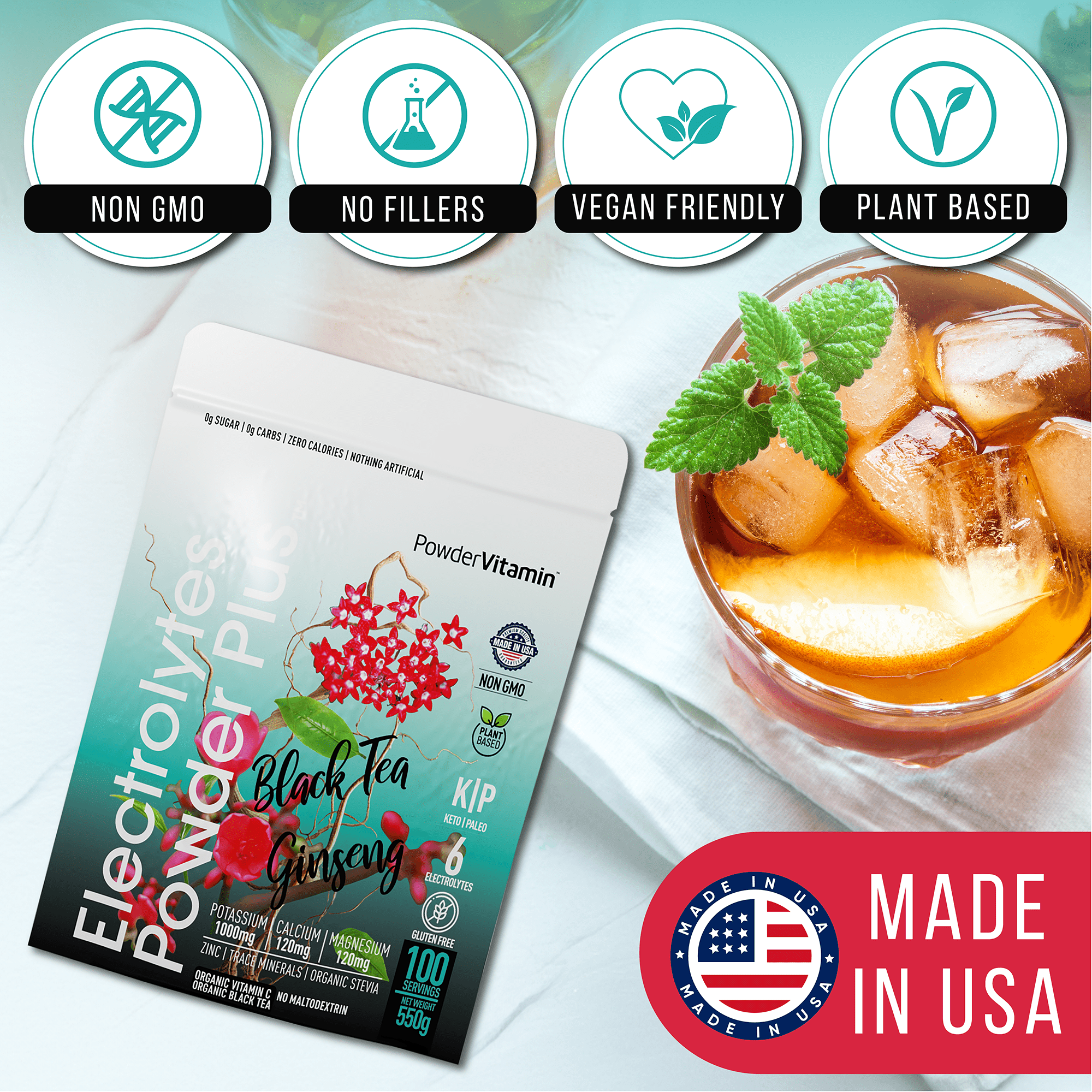
Black Tea Ginseng Electrolytes Powder Plus™ 100 Servings
$36.99 — or Original price was: $36.99.$31.44Current price is: $31.44. / month
Seeing clean electrolyte powder labels everywhere but wondering what clean actually means beyond marketing buzzwords, and whether it matters for your hydration goals? The wellness industry loves throwing around terms like clean, pure, and natural without clear definitions. Every brand claims their product is the cleanest option, making it impossible to know who’s telling the truth.
The reality is that clean means different things to different people, and no official standards exist for labeling something as clean. One person’s clean is another person’s not-clean-enough. Breaking down what clean actually refers to, which ingredients clean formulas avoid, and how to spot genuinely clean products versus greenwashed marketing helps you make informed choices aligned with your values.
Clean electrolyte powder typically means avoiding artificial colors, flavors, and sweeteners. These synthetic additives serve aesthetic or taste purposes without providing nutritional value. Minimal ingredient lists signal clean formulations. If you can pronounce every ingredient and understand what it does, you’re likely looking at a clean product.
No unnecessary fillers or flow agents characterizes clean products. These processing aids make manufacturing easier but don’t benefit consumers. Transparent sourcing and manufacturing practices indicate commitment to clean. Companies proud of their processes share details rather than hiding behind vague language.
Third-party certifications provide objective clean verification. Organizations like NSF, Informed Choice, or USDA Organic offer standards beyond company claims.
Artificial colors serve zero functional purpose in hydration. Red 40, Yellow 5, and Blue 1 make drinks look pretty but add nothing beneficial and potentially cause sensitivities. Artificial sweeteners like sucralose and aspartame concern some consumers. While generally recognized as safe, many seeking clean products prefer avoiding these synthetic options.
Synthetic preservatives extend shelf life unnaturally. BHA, BHT, and sodium benzoate keep products stable longer but don’t align with clean eating philosophies. Maltodextrin and dextrose serve as cheap fillers. These add bulk and minor sweetness without providing meaningful hydration benefits.
Natural flavors can be deceptive since the term is loosely regulated. Clean brands specify exact flavor sources rather than hiding behind this vague label.
Stevia comes from plant leaves and provides zero-calorie sweetness. High-quality stevia extracts taste clean without metallic or bitter aftertastes. Monk fruit offers another plant-based zero-calorie option. Many people find monk fruit tastes sweeter and cleaner than stevia without any aftertaste.
Coconut sugar provides natural sweetness with minerals. While not calorie-free, it offers a less processed alternative to refined sugars. Raw honey brings natural sweetness plus trace nutrients. Organic honey aligns with clean principles while providing functional benefits beyond taste.
Dates or date sugar create caramel-like sweetness naturally. These whole food sweeteners contain fiber and minerals alongside sweetness.
Sodium should ideally come from sea salt or pink Himalayan salt. These unrefined sources contain trace minerals beyond just sodium chloride. Potassium citrate or potassium chloride both work cleanly. The citrate form may absorb slightly better and provides alkalizing effects.
Magnesium glycinate or citrate represent highly bioavailable forms. These chelated versions absorb better than cheaper magnesium oxide while remaining clean. Calcium from calcium citrate absorbs well without requiring stomach acid. This makes it effective for more people than calcium carbonate. Trace minerals from real salt or mineral complexes round out profiles. These provide selenium, zinc, and other elements in natural ratios.
Ingredients appear in descending order by weight. The first three to five ingredients make up the bulk of what you’re consuming. Long chemical names aren’t automatically bad. Ascorbic acid sounds scary but it’s just vitamin C, a clean ingredient many want included.
Proprietary blends hide actual amounts behind vague language. Clean brands specify exact milligrams of each ingredient rather than using this loophole. The fewer total ingredients, the cleaner typically. Formulas with three to eight ingredients usually beat those listing twenty components.
Look for what’s NOT there as much as what is. Clean labels often state “no artificial colors, flavors, sweeteners” prominently.
USDA Organic certification means no synthetic pesticides were used. This matters for ingredients like stevia or fruit flavors grown as crops. Organic doesn’t automatically mean clean, but overlap is significant. Most organic products also avoid artificial additives aligning with clean principles.
The certification process costs money, explaining higher prices. Small brands might be clean without affording organic certification. Non-GMO verification often accompanies organic certification. While separate issues, consumers seeking clean products often want both.
Organic certification requires annual renewal and inspections. This provides ongoing accountability versus one-time product testing.
Real fruit powders create authentic taste naturally. Freeze-dried strawberry or lemon powder provides flavor from actual food sources. Essential oils from citrus fruits add intense flavor. Food-grade lemon or orange oil creates bright taste without synthetic flavoring.
Natural extracts like vanilla or mint work cleanly. These concentrated plant essences provide flavor recognized as natural by regulatory bodies. Coconut water powder adds subtle natural sweetness. The inherent flavor complements electrolytes while providing additional potassium.
Sometimes no flavor is cleanest. Unflavored options let you add your own clean flavorings or enjoy pure mineral taste.
Third-party testing for heavy metals ensures safety. Clean products should verify they’re free from lead, arsenic, mercury, and cadmium contamination. Microbial testing confirms no bacterial or fungal contamination. This matters especially for products using natural ingredients potentially harboring microbes.
Potency verification ensures label claims match reality. Just because ingredients are clean doesn’t mean they’re present in claimed amounts. Banned substance testing matters for athletes. Informed Choice and NSF Certified for Sport verify products are clean from prohibited substances.
Certificate of Analysis availability shows transparency. Companies confident in their clean status share detailed lab results publicly.
Clean electrolyte powder ingredients cost more than synthetic alternatives. Natural flavors, organic sweeteners, and quality minerals command higher prices than cheap substitutes. Smaller production runs increase per-unit costs. Clean brands often can’t achieve economies of scale that conventional manufacturers enjoy.
Certifications and testing add significant expenses. Third-party verification easily costs thousands per product annually. Premium pricing doesn’t guarantee clean products though. Some brands charge high prices for average formulations, requiring careful evaluation.
Value assessment requires weighing priorities. If clean aligns with your values, the premium might represent money well spent.
Homemade formulas offer ultimate control over ingredients. Mixing sea salt, potassium chloride, and magnesium citrate creates basic clean electrolytes. Adding natural flavor comes from real fruit. Squeeze lemon, lime, or orange juice into your homemade mixture for taste.
The challenge is getting ratios right for effectiveness. Too much or too little of any mineral reduces hydration optimization. Convenience suffers with DIY approaches. Mixing individual ingredients every time you want electrolytes gets tedious quickly.
Cost savings might not materialize as expected. Buying small quantities of individual ingredients often costs more than commercial formulas.
No artificial colors should be absolute. These provide zero benefit and plenty of potential downsides for clean-focused consumers. Transparent ingredient amounts must be stated clearly. Hiding behind proprietary blends contradicts clean philosophy of transparency.
Recognizable ingredients you could buy separately matters. If you couldn’t source an ingredient individually, question whether it’s truly clean. Minimal processing of source ingredients aligns with clean. Heavily refined or chemically modified components don’t fit clean definitions.
Honest marketing without exaggerated claims demonstrates integrity. Clean brands let ingredients speak rather than making miraculous promises.
The debate around natural versus synthetic ingredients centers on processing methods and compound sources.
Natural ingredients come from whole food sources like fruits, vegetables, and minerals. These align with clean eating philosophies emphasizing minimally processed nutrition.
Synthetic ingredients are created through chemical processes. While not inherently harmful, they don’t fit strict clean definitions many consumers follow.
Both can be effective, but clean-focused consumers prefer natural sources. The choice reflects personal values about food and supplement purity.
Sustainable sourcing practices extend clean beyond just ingredients. How minerals are mined and plants are grown affects overall cleanness. Fair trade certifications ensure ethical treatment of workers. Clean shouldn’t just apply to products but to entire supply chains.
Packaging choices reflect commitment to clean principles. Recyclable or compostable packaging aligns with values driving clean choices. Carbon footprint and shipping methods matter to some. Local or carbon-neutral shipping extends clean philosophy comprehensively.
Animal testing policies concern clean-conscious consumers. Cruelty-free verification ensures no animal testing occurred during development.
Vegan clean products avoid all animal-derived ingredients. This means no gelatin capsules or animal-sourced minerals. Paleo-friendly options exclude grains and legumes. Clean paleo electrolytes stick to minerals, sea salt, and fruit-based flavoring.
Keto-compatible clean formulas contain zero sugar. They rely on zero-carb sweeteners like stevia or monk fruit exclusively. Understanding electrolyte needs on keto helps identify clean options that support low-carb lifestyles effectively.
Allergen-free clean options avoid top eight allergens. Truly clean products shouldn’t need wheat, soy, dairy, or nuts.
Daily consumption makes clean criteria more important. Products you use once weekly matter less than those consumed daily. Children’s hydration warrants extra clean attention. Growing bodies potentially react more sensitively to artificial additives.
Pregnancy and breastfeeding increase clean priority. What mothers consume directly affects developing babies. Chronic health conditions requiring consistent hydration deserve clean. People managing conditions benefit from avoiding unnecessary additives.
Athletes seeking optimal performance prefer clean fueling. Eliminating potential irritants or inflammatory compounds supports peak function.
For maximum purity and flexibility, Unflavored Electrolytes Powder Plus delivers clean minerals without any flavoring.
Why This Works
The lemonade version combines clean minerals with natural fruit flavoring for enjoyable daily use.
Why This Works
For portable clean hydration, variety packets provide convenience without compromising ingredient quality.
Why This Works
Marketing exploits clean trends aggressively. Some brands slap clean labels on products barely meeting basic standards. Perfectionism around clean can become counterproductive. Stressing over every ingredient sometimes causes more harm than the ingredients themselves.
Conventional products aren’t automatically harmful. Many non-clean electrolytes are perfectly safe and effective for most people. Personal priorities should guide clean decisions. What matters to you might not matter to others, and that’s fine.
Evidence-based thinking should balance clean preferences. Not every artificial ingredient is dangerous, and not every natural one is safe.
Start by eliminating one problematic ingredient at a time. Switch from artificial colors to naturally colored or uncolored products first. Compare labels of your current product against clean alternatives. Identify the specific differences to understand what you’re changing.
Taste adaptation takes one to two weeks typically. Clean products often taste different initially but become normal quickly. Budget adjustments might be necessary. Clean products cost more, requiring honest assessment of financial priorities.
Gradual transition reduces shock to routine and budget. Replace products as they run out rather than dumping everything immediately.
Independent reviews from clean-focused sources help. Wellness websites often evaluate products against clean standards comprehensively. Consumer advocacy groups test products rigorously. Organizations like Clean Label Project provide objective assessments.
Social communities share clean product discoveries. Real users provide honest feedback beyond marketing claims. Direct contact with companies reveals commitment levels. Responsive customer service willing to answer detailed questions indicates transparency.
Trial and error ultimately determines what works. Clean products vary in taste and effectiveness, requiring personal testing.
Finding quality hydration solutions aligned with your values makes wellness sustainable. Powder Vitamin offers science-backed products designed with clean ingredients that deliver real results without compromising on formulation quality.
The clean wellness movement continues growing as consumers demand transparency and ingredient integrity from supplement manufacturers.
Clean electrolyte powder provides effective hydration using natural sweeteners, minimal ingredients, and transparent formulations for people prioritizing ingredient quality and avoiding artificial additives while maintaining the mineral content necessary for proper hydration and performance.
Clean electrolyte powder avoids artificial additives that some people react to, but conventional options aren’t necessarily unhealthy. The minerals work the same regardless of whether flavoring is natural or artificial.
Clean matters most if you have sensitivities to artificial colors, sweeteners, or preservatives, consume electrolytes daily, or simply prefer minimally processed ingredients as part of your overall lifestyle. For occasional use, conventional products work fine for most people.
Natural ingredients cost significantly more than synthetic alternatives. Organic stevia costs three to five times more than artificial sweeteners. Real fruit flavors cost ten times more than artificial flavoring. Third-party testing, organic certification, and smaller production batches add expenses.
Clean brands often can’t achieve bulk manufacturing discounts. The premium typically ranges from 50 to 100 percent more than conventional options, reflecting genuine cost differences rather than just markup.
No, natural doesn’t automatically mean better or safer. Arsenic and poison ivy are natural but harmful. Some artificial ingredients are thoroughly tested and safe. However, natural typically means less processing and closer to original food sources, which many consumers prefer.
The key is evaluating specific ingredients rather than assuming natural equals superior. Some natural sweeteners cause more digestive issues than certain artificial ones for specific individuals.
Children can generally use clean electrolyte powder but need smaller servings. Use half the adult dose for children over six, or look for pediatric formulations specifically designed for kids.
Clean products are actually preferable for children since developing bodies may be more sensitive to artificial additives. Always check with your pediatrician before giving supplements to children, especially those under six years old, regardless of how clean the ingredients are.
Check for third-party certifications like USDA Organic, NSF, or Non-GMO Project, which verify claims. Read the complete ingredient list, if you see artificial colors, flavors, or sweeteners, the clean claim is questionable.
Contact customer service with specific questions about sourcing and testing, evasive answers suggest weak claims. Look for Certificate of Analysis availability showing lab test results. Real clean brands provide transparency beyond marketing language.

No account yet?
Create an Account