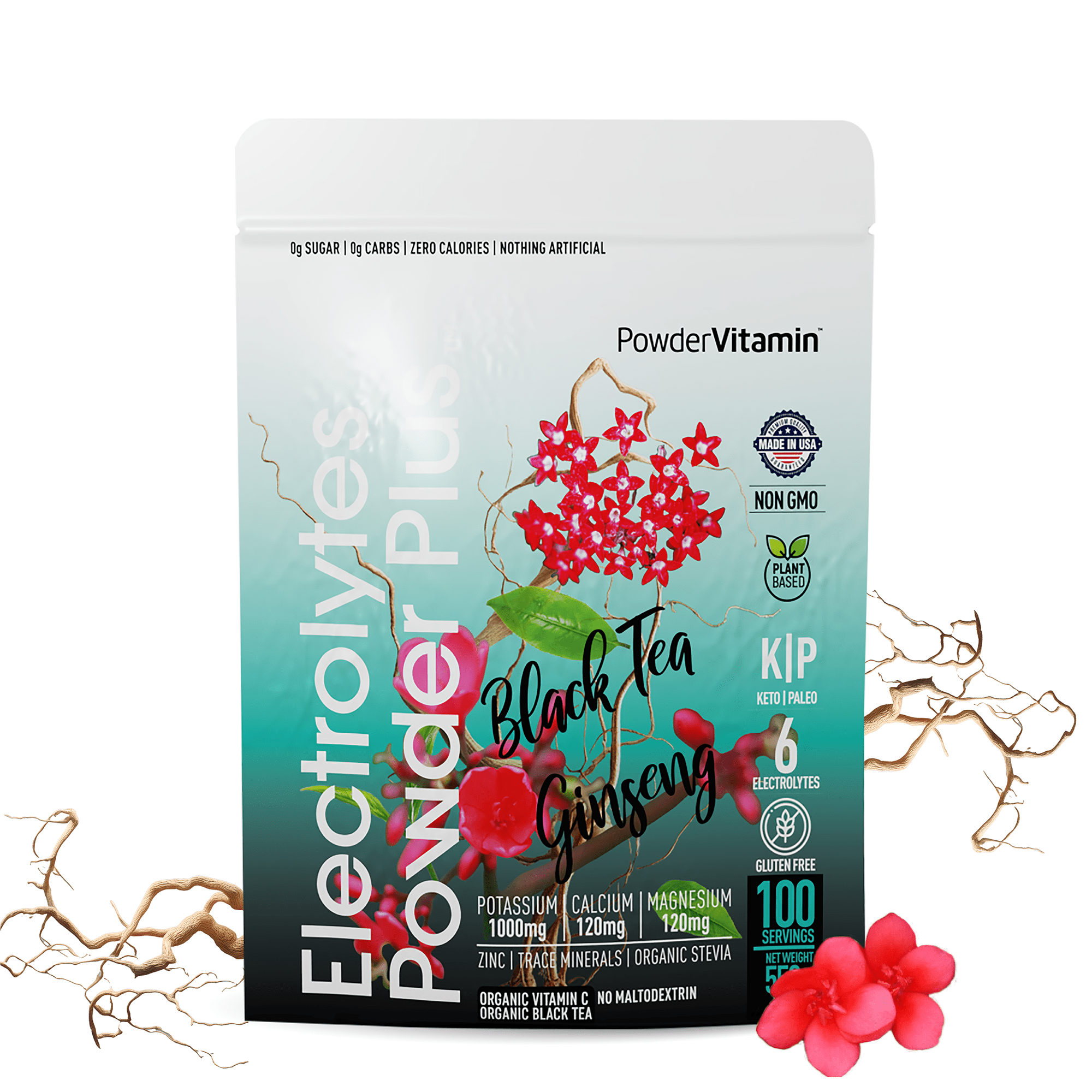
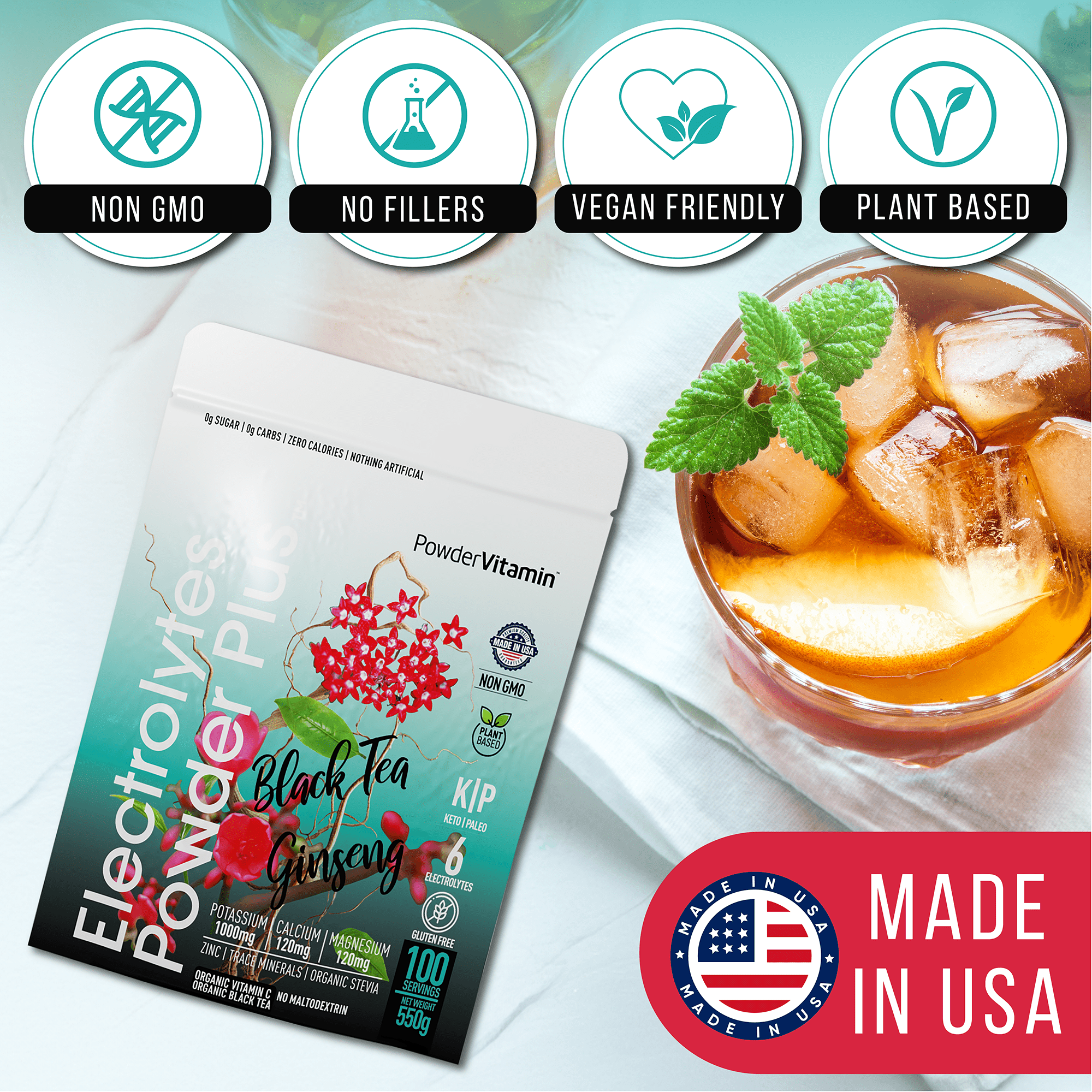
Black Tea Ginseng Electrolytes Powder Plus™ 100 Servings
$36.99 — or Original price was: $36.99.$31.44Current price is: $31.44. / month
Searching for the cleanest hydration powder available but finding that every brand claims purity while their ingredient lists tell different stories?
Clean has become the ultimate marketing buzzword in wellness products. Companies slap clean labels on formulations still containing questionable additives, banking on consumers not reading beyond front-of-package claims.
The cleanest hydration options exist, but finding them requires looking past attractive packaging and persuasive marketing to examine actual ingredient panels, sourcing practices, and manufacturing standards.
Understanding what genuinely clean hydration looks like, which ingredients have no business being there, and how to verify purity claims helps you find products that hydrate effectively without unnecessary chemical baggage.
Cleanest hydration powder contains only minerals and naturally derived ingredients serving clear functional purposes. Every component should answer the question “why is this here?” with a hydration-related answer.
Zero artificial anything represents the baseline. No synthetic colors making drinks pretty, no artificial flavors covering poor quality, no artificial sweeteners creating sweetness cheaply. Minimal ingredient counts signal cleaner formulations. Three to seven ingredients typically suffice for effective hydration, while twenty-ingredient lists raise suspicion.
Recognizable components anyone could purchase separately define clean. If you couldn’t theoretically buy an ingredient yourself at a health food store, question its presence. Transparent sourcing for every ingredient matters. Knowing where sodium, potassium, and magnesium come from distinguishes truly clean brands from those hiding mediocre sources.
Sodium from unrefined sea salt or pink Himalayan salt provides the cleanest source. These contain trace minerals alongside sodium chloride rather than being isolated chemicals. Potassium citrate or chloride serve as clean potassium sources. Both are simple, well-absorbed forms without unnecessary processing.
Magnesium glycinate or citrate represent highly bioavailable clean options. These chelated forms absorb effectively while remaining chemically simple. Calcium citrate provides clean calcium when included. The citrate form absorbs well without requiring stomach acid activation.
Chloride naturally accompanies sodium in sea salt. When derived this way rather than added separately, it maintains cleaner profiles.
Artificial colors serve purely aesthetic functions with zero hydration benefits. Red 40, Blue 1, Yellow 5, and similar synthetic dyes make the cleanest formulas’ never-use list. Maltodextrin acts as cheap filler adding bulk. This processed starch derivative provides no hydration value while taking up space real minerals should occupy.
Artificial preservatives like sodium benzoate extend shelf life unnaturally. Clean mineral formulations don’t require these when properly packaged and stored. Silicon dioxide prevents caking but isn’t necessary in quality formulas. Truly clean options avoid this even though it’s considered generally safe.
Artificial sweeteners including sucralose and aspartame have no place. While regulatory-approved, these synthetic compounds contradict clean philosophy entirely.
Real freeze-dried fruit powders create authentic taste. Lemon, lime, strawberry, or other fruit in powder form provides flavor from actual food sources. Organic fruit extracts concentrate flavor naturally. These capture essential oils and compounds from fruits without artificial processing.
Coconut water powder adds subtle natural sweetness while contributing potassium. This serves dual flavor and functional purposes cleanly. Essential oils from citrus peels provide intense natural flavor. Food-grade lemon or orange oil creates brightness without synthetic chemicals.
Sometimes no flavor is cleanest. Unflavored electrolyte hydration powderoptions eliminate any flavoring questions while letting you add your own if desired.
Stevia from organic leaf extract represents a clean zero-calorie option. Quality stevia tastes sweet without metallic or bitter notes. Monk fruit extract provides another natural zero-calorie sweetener. Many find monk fruit tastes cleaner and sweeter than stevia.
Organic coconut sugar offers minimally processed natural sweetness with trace minerals. While not calorie-free, it’s less refined than white sugar.
Raw honey brings natural sweetness plus enzymes and trace nutrients. Organic honey represents clean sweetening for those accepting the calories. Erythritol walks the line between natural and processed. While derived from plants, the production process involves fermentation and purification some consider too processed.
Mined sea salt from ancient ocean deposits provides the cleanest sodium. These sources avoid modern ocean pollution while retaining trace mineral content. Pink Himalayan salt from Pakistani mines offers another ultra-clean option. The distinctive color comes from iron and other trace minerals.
Potassium and magnesium from plant-based sources when possible align with clean values. These feel more natural than mineral sources from chemical processes. Organic certification for all plant-derived ingredients eliminates pesticide concerns. This matters for any fruit, stevia, or other agricultural components.
Domestic sourcing reduces transportation environmental impact. While not strictly about ingredient purity, clean-conscious consumers often value this.
Heavy metal testing ensures no lead, arsenic, mercury, or cadmium contamination. Clean products must verify purity beyond just avoiding artificial additives. Microbiological testing confirms no bacterial or fungal presence. Even natural ingredients can harbor unwanted microbes without proper quality control.
Pesticide residue testing on organic ingredients verifies certification validity. Third-party verification prevents organic fraud. Potency testing confirms minerals are present at labeled amounts. Just because ingredients are clean doesn’t guarantee they’re present as claimed.
Independent third-party labs provide credible verification. Internal company testing isn’t sufficient for proving cleanest status.
Good Manufacturing Practice certification ensures quality control consistency. GMP facilities follow standardized procedures producing reliable clean products. Dedicated clean production facilities avoid cross-contamination. Sharing equipment with conventional products compromises purity.
Small-batch production often correlates with cleaner manufacturing. Artisanal approaches typically involve more care than industrial-scale operations. Transparent factory location and practices build trust. Brands proud of manufacturing standards share facility information readily.
Direct oversight versus contract manufacturing affects quality. Companies producing in-house often maintain tighter control than those outsourcing.
Glass containers avoid plastic leaching concerns. While heavier and more expensive, glass represents the cleanest packaging option. BPA-free plastic when glass isn’t practical reduces chemical exposure. Not all plastics are equal, and BPA-free versions are cleaner.
Recyclable or compostable materials align with holistic clean values. Purity extends beyond ingredients to environmental impact. Minimal packaging waste demonstrates commitment to clean principles. Excessive packaging contradicts sustainability aspects of clean philosophy.
Resealable designs maintain freshness without added preservatives. Proper packaging allows clean formulas to stay pure throughout use.
Zero flavoring eliminates all flavoring questions entirely. You add nothing beyond essential minerals to your water. Complete flexibility for personal customization appeals to many. Add your own lemon juice, fruit, or nothing based on preference.
Purest possible mineral taste might appeal to some. Experiencing the actual mineral profile without any masking interests certain consumers. Lower cost often accompanies unflavored versions. Manufacturing simplicity typically translates to modest price advantages.
Certainty about what you’re consuming provides peace of mind. No wondering about natural flavor sources or processing methods.
Front-of-package clean claims mean nothing without ingredient verification. Marketing departments design packaging while formulation teams choose ingredients. Look for specific statements like “no artificial colors, flavors, sweeteners”. Vague “clean” without specifics allows too much interpretation.
Certification logos provide objective verification. USDA Organic, Non-GMO Project, and similar third-party certifications carry more weight. Ingredient lists tell the real story. Judge formulas by what’s actually in them, not what packaging promises.
Company transparency about manufacturing and sourcing indicates real commitment. Brands truly devoted to clean share detailed information.
Clean costs more, period. Natural ingredients, organic certification, rigorous testing, and careful manufacturing increase expenses. Expect 30 to 100 percent premiums over conventional hydration powders. Truly clean formulations rarely cost less than 1.50 dollars per serving.
Value calculation requires aligning priorities with spending. If clean matters deeply to you, the premium represents money well spent. Some expensive products aren’t particularly clean though. Price doesn’t guarantee purity, requiring careful label reading regardless of cost.
Bulk purchasing of clean products maximizes value. Larger containers reduce per-serving costs while maintaining quality standards.
Reduced chemical burden from avoiding artificial additives might benefit some people. Those sensitive to synthetic compounds often feel better with clean options. Easier ingredient identification helps those with allergies. Knowing every component comes from recognizable sources simplifies allergen management.
Potential nutrient benefits from trace minerals in unrefined salts add value. These may provide selenium, zinc, and other elements in tiny amounts. Psychological benefits from knowing you’re consuming pure products shouldn’t be dismissed. Confidence in your choices reduces stress and supports wellbeing.
Clean doesn’t automatically mean healthier for everyone though. The minerals do the hydration work regardless of whether they’re “clean.”
Perfect shouldn’t be the enemy of good in clean pursuits. Holding out for absolute perfection might prevent any hydration improvement. Individual priorities differ validly. Your clean standards don’t need to match anyone else’s to be appropriate for you.
Situational flexibility makes sense. Maybe ultra-clean at home but accepting slightly less clean convenience options when traveling. Budget constraints are real considerations. Finding the cleanest option you can actually afford sustainably matters more than ideal but unaffordable products.
Stress about clean can ironically harm health. Obsessing over every ingredient potentially causes more harm than imperfect but adequate products.
Mixing your own guarantees ultimate control. Combine sea salt, potassium chloride, and magnesium citrate powder for basic clean electrolytes. Adding fresh lemon or lime juice provides natural flavor. Real fruit creates unquestionably clean taste enhancement.
Precise ratio control optimizes your personal hydration needs. Adjust sodium, potassium, and magnesium to match your specific requirements. Cost might or might not favor DIY approaches. Small quantities of individual ingredients sometimes cost more than commercial formulas.
Convenience suffers significantly with homemade versions. Mixing each serving individually becomes tedious compared to pre-made options.
Athletes needing higher mineral doses find cleanest options effective. Just because it’s clean doesn’t mean it can’t provide robust hydration support. Pregnant women seeking purest options benefit from clean formulas. Avoiding unnecessary additives during pregnancy aligns with cautious approaches.
Children deserve especially clean hydration support. Growing bodies potentially respond more sensitively to artificial additives. People with multiple chemical sensitivities require genuinely clean options. Even traces of artificial ingredients can trigger reactions in sensitive individuals.
Health-conscious consumers generally prefer clean. Those prioritizing best wellness across all life areas naturally gravitate toward cleanest hydration.
Contact companies directly with detailed ingredient questions. Responsive customer service willing to discuss sourcing indicates transparency. Request Certificate of Analysis documents. These lab reports verify purity and potency beyond marketing promises.
Search for independent third-party reviews. Unbiased assessments provide perspectives beyond company-controlled information. Check certification organization databases. Verify that claimed certifications are current and legitimate.
Join consumer advocacy groups focused on clean products. Communities share discoveries and expose questionable claims collectively.
Finding quality hydration solutions that align with your values makes wellness sustainable. Powder Vitamin offers science-backed products designed with clean ingredients that deliver effective results without compromising on purity or formulation quality.
The clean wellness movement continues growing as consumers demand transparency and ingredient integrity from all supplement categories.
Cleanest hydration powder uses only essential minerals from quality sources, natural flavoring when flavored, and minimal ingredients without artificial colors, flavors, sweeteners, or unnecessary additives while maintaining the sodium, potassium, and magnesium content required for effective hydration.
The cleanest hydration powder contains only essential minerals, natural flavoring if flavored, and zero artificial additives. Look for sodium from sea salt or Himalayan salt, simple potassium and magnesium forms, and sweeteners from stevia or monk fruit if sweetened. Fewer than seven total ingredients signals cleaner formulations.
Third-party testing verifying no heavy metals or contaminants confirms purity. Organic certification for plant-derived ingredients and transparent sourcing information demonstrate genuine commitment to cleanest standards.
Generally yes, unflavored versions are cleaner because they eliminate all flavoring ingredients and questions about natural flavor processing. However, well-made flavored options using real fruit powder or organic essential oils can still be very clean.
The cleanest flavored versions clearly state exact flavor sources rather than hiding behind vague “natural flavors.” If you don’t mind plain mineral taste, unflavored guarantees maximum purity. If you need flavor for consistent use, seek brands specifying real fruit or organic extracts.
Yes, cleanest hydration powders work just as effectively because the essential minerals perform the same function regardless of accompanying ingredients. Sodium, potassium, and magnesium hydrate you whether they come with artificial colors or not.
The minerals do the actual work. Clean formulas might dissolve slightly differently or taste less sweet without artificial sweeteners, but hydration effectiveness depends on mineral content and ratios, not how clean other ingredients are.
Natural ingredients cost significantly more than synthetic alternatives. Organic stevia costs five times more than artificial sweeteners. Real fruit powder costs ten times more than artificial flavoring. Rigorous third-party testing, organic certification, small-batch manufacturing, and quality mineral sources all add expenses.
The premium typically ranges from 50 to 150 percent more than conventional options. This reflects genuine ingredient and quality differences rather than just markup, though some brands do charge excessive premiums.
Be cautious with uncertified clean claims, as the term has no regulatory definition allowing any brand to use it. Without third-party certifications like USDA Organic or Non-GMO Project, verify claims by reading complete ingredient lists carefully. Contact companies asking specific questions about sourcing, testing, and manufacturing.
Request Certificate of Analysis documents showing lab results. Some small quality brands can’t afford expensive certifications but maintain high standards, while some certified products aren’t particularly clean, requiring critical evaluation beyond labels alone.
No account yet?
Create an Account