Let’s be honest. Keto diet can be difficult. You’re avoiding carbohydrates and sugars, perhaps to reduce your weight or enhance your general health. A restricted diet, though, may occasionally cause your electrolyte balance to become unbalanced, leaving you feeling lethargic and out of the game. Here, we’ll talk about the significance of Best Keto Electrolytes and Keto Friendly Electrolytes Drinks for your body and examine methods for replenishing them, preventing dehydration with the
Best Electrolytes Powder, and maintaining good health when following a Zero Calories Electrolytes Drink on a keto diet.
Stay consistent without burning out
Keep your training momentum going on any season.
Why Do You Need More Electrolytes on Keto Diet?
If you follow a low-carb diet, you will most likely require more electrolytes than the usual person.There are two main reasons for this:
- The amount of several electrolytes is typically lower on a clean, whole-food Keto diet.
- You lose more salt and potassium through urine when following a Keto diet that limits carbohydrates.
Electrolytes are minerals that support a variety of body processes, including heart rate, muscular contractions, nerve impulses, and acid-alkaline equilibrium. Keto Friendly Electrolytes Drinks are essential for keeping your body hydrated and in good working order. It’s possible to occasionally encounter dehydration symptoms like weariness, nausea, or headaches when you’re short on electrolytes. Keto Friendly Electrolytes Drinks keep your fluids up! Although water alone doesn’t contain any electrolytes, it is an essential part of hydrating. Best Electrolyte Powders keep your body fit.
There are numerous strategies to replace your electrolyte supply and avoid dehydration with Best Keto Electrolyte Powder while on the keto diet:
Sports drinks with no added sugar might assist you in staying hydrated. However, they typically lack sufficient electrolyte levels to help in your recovery after dehydration. Furthermore, most sports drinks are heavy in sugar, which can knock you out of ketosis and undo all of your hard work. A Zero Calorie Electrolyte Drink is the greatest option for this.
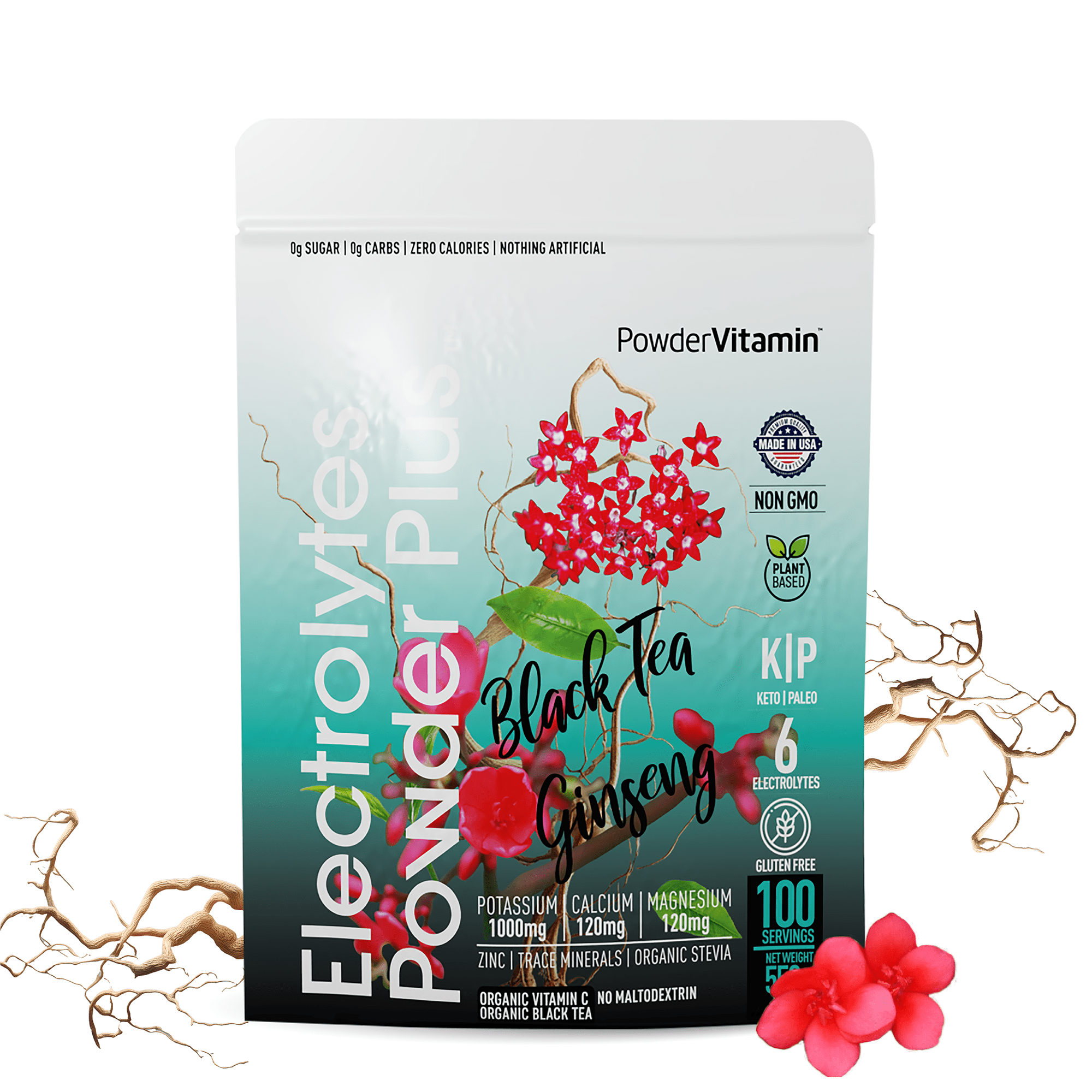
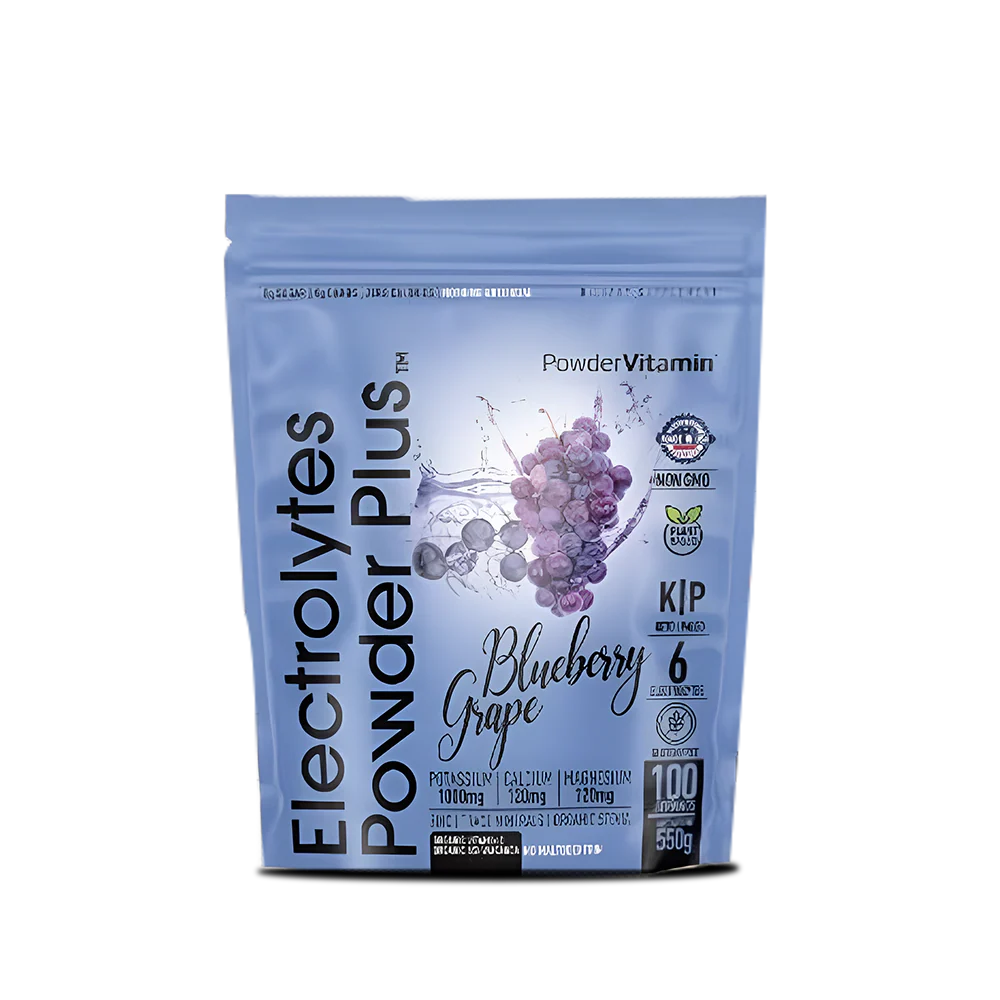
To ensure that your body receives the greatest amount of electrolytes and the vital minerals it needs to fight dehydration, try using a hydration aid like Keto Electrolyte Powder. One of the best methods to restore electrolytes and remain hydrated is with a keto friendly electrolyte supplement like
PowderVitamin Electrolytes Powder No Sugar.
How to Take in Enough Electrolytes While on Keto
You may be aware that electrolytes help maintain the fluid balance in your body. But did you know that they also help to keep blood sugar levels stable? Keto Friendly Electrolytes Drinks assist your body in maintaining a healthy fluid balance, which is essential for proper organ function such as the kidneys and intestines. By balancing salt levels in the body, Best Keto Electrolytes assist regulate heart rate and blood pressure. Your body will display signals if these electrolyte levels become too low. You can feel it when your blood sugar drops, so use Zero Calories Electrolyte Drinks to keep your electrolytes healthy and your blood sugar levels stable. Not only for performance purposes, but also for overall physical wellness.
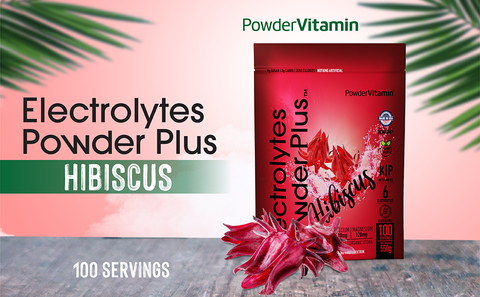
YOUR NEW KETO DIET PARTNER -ZERO CALORIES ELECTROLYTES DRINK
Maintaining
Electrolyte Balance on a Keto
Diet: Essential Tips and Best Drinks
Are you experiencing
fatigue or
muscle cramps while adhering to a ketogenic lifestyle?
Sodium,
magnesium, and
potassium form the trio of electrolytes vital for your body’s function, especially when your
diet restricts carbs. This article provides you with crucial tactics for maintaining equilibrium in your
electrolyte levels, identifies the best no-carb drinks to keep you hydrated without compromising your keto regimen, and clarifies whether options like Pedialyte align with your dietary needs. Learn how to monitor and manage
water and
electrolyte intake effectively, ensuring you stay energized and healthy on your keto journey. Addressing these key areas will empower you to avoid common pitfalls and adjust your consumption for better physical and cognitive performance.
Understanding Electrolytes and Their Role in the Keto Diet
As you delve into a ketogenic lifestyle, it’s crucial to understand that your body’s need for electrolytes such as
Unflavored Electrolyte Powder, potassium, magnesium, and chloride increases. Why? As you restrict carbohydrates, your insulin levels decrease, and your body expels more fluid, often taking these key electrolytes with it
Strawberry Kiwi Electrolytes. This can impact health and exercise performance. The following sections will cover why electrolyte balance shifts on keto, the main electrolytes to keep an eye on, and practical ways to maintain optimal levels for your well-being
Black Tea Lemonade Mix.
Why Electrolyte Balance Changes on Keto
Embarking on a
ketogenic diet alters your body’s
fluid balance, which directly affects
electrolyte levels. When you reduce
carbohydrate intake, your system reduces
insulin production, causing kidneys to release excess
water, and with it, essential salts like
sodium,
potassium, and
magnesium. It’s this through this mechanism that the
risk of
dehydration and
electrolyte imbalance increases, necessitating a more mindful approach to your daily intake of these critical nutrients.
As you progress with your keto
diet, it’s beneficial to understand the symptoms of
electrolyte deficiency, which can include
fatigue, headaches, and
muscle cramps. With carbohydrates kept at bay, your body has an altered need for electrolytes, especially when active. To counterbalance the loss and prevent
dehydration, it’s imperative to replenish these electrolytes regularly, ensuring you remain hydrated and maintain adequate
energy levels for your day-to-day activities.
Key Electrolytes to Monitor: Sodium, Potassium, Magnesium
Monitoring
sodium levels is integral while on a
ketogenic diet because its
bioavailability is crucial for maintaining both
nerve and
muscle function. A low-carb regimen significantly decreases
insulin, thus reducing
sodium retention, which can directly affect
endurance during prolonged activities. You should consider increasing the
sodium content of your meals or drinks, without exceeding recommendations, to sustain optimal
mineral balance and prevent
fatigue.
Potassium and
magnesium, two other electrolytes closely tied to metabolic
health, warrant careful attention when you’re reducing
carbohydrate intake. These minerals help regulate heart rhythm, support
muscle contraction, and aid in
energy production from
fat. To mitigate the potential for deficiency, opt for
ingredient choices rich in these electrolytes, like leafy greens or nuts, and maintain a balance that supports your body’s heightened need for these key nutrients in the absence of dietary carbohydrates.
Recognizing Signs of Electrolyte Imbalance
As you progress with your
ketogenic diet, watch for
signs and symptoms that may suggest an
electrolyte imbalance, such as persistent
muscle cramps or a plateau in
weight loss. These indicators can signal
health risks from a prolonged imbalance. The forthcoming sections will discuss symptoms to be vigilant of and the potential consequences of neglecting proper
electrolyte management. A focused approach to including suitable drinks and dietary supplements is essential for maintaining this balance and ensuring your keto journey is both safe and successful.
Symptoms to Watch For
If you find your
energy levels waning or experience a persistent twitch in your muscles, these may be the first telltale signs of an
electrolyte imbalance as you sustain
ketosis. Such imbalances can also present through a racing heart or feelings of lethargy, despite eliminating
sugar and high-carb foods from your
diet. Paying attention to these signals from your body can help you manage
nutrient levels and support ongoing
health and well-being.
Observing changes in your physical performance or mental clarity could also indicate a need to adjust your
electrolyte intake, particularly
calcium, which is pivotal for
bone health and muscular function. As you maintain a state of
ketosis, being mindful of these symptoms will
enable you to promptly address any deficiencies and continue to experience the benefits of your chosen dietary lifestyle without unnecessary discomfort or
health risks.
Health Risks of Prolonged Imbalance
Maintaining the right balance of electrolytes is not just about improving
taste or supporting
ketogenesis; it’s crucial for regulating your
blood pressure and overall cardiovascular
health. A prolonged
electrolyte imbalance can lead to hypertensive conditions, as your
blood vessels require a precise
mineral concentration to function correctly. Without this balance, you could experience elevated
blood pressure levels, heightening your
risk for heart complications.
An
electrolyte imbalance can also result in altered
blood chemistry, which interferes with critical bodily functions. If your electrolytes are consistently out of sync, you may encounter irregular heartbeat or severe
muscle weakness, symptoms that could escalate to life-threatening issues if not addressed. You need to replenish your body with the right minerals to avoid these
health risks and support your well-being while on a keto
diet.
Top Tips for Maintaining Electrolyte Balance
Adjusting your
diet to prioritize
electrolyte-rich foods and maintaining hydration are critical for staving off the negative effects of imbalance, particularly on a keto
diet. These strategies not only contribute to better overall
health and prevention of
cardiovascular disease but also enhance
weight control by allowing the use of low-
calorie,
sugar substitutes and
vitamin-packed broths. In the following sections, you’ll learn pragmatic ways to integrate these key nutrients into your routine and keep your body functioning optimally.
Adjusting Your Diet to Include Electrolyte-Rich Foods
If you’re incorporating
intermittent fasting alongside your
ketogenic diet, it’s imperative to consume foods that replenish electrolytes lost during extended periods without
eating. Opt for
nutrient-dense foods like avocados for
potassium, seeds for
magnesium, and
spinach, which can benefit
brain function and mitigate feelings of
fatigue commonly experienced when adjusting to a keto lifestyle.
Should you suspect any
kidney-related discomfort or merely wish to sustain your
energy levels, consider introducing
broth-based soups into your daily repertoire. These can be particularly satisfying and are effective in replenishing
sodium and
potassium stores, essential for muscular function and
endurance. To ensure you stay knowledgeable and updated on managing your
health through
diet, consider subscribing using your
email address to wellness newsletters or platforms that offer expert dietary advice.
Importance of Hydration on Keto
Maintaining proper hydration on a
ketogenic diet is indispensable, especially if you are also practicing
intermittent fasting. The absence of
glucose from carbohydrates means your body utilizes more
water in metabolic processes, which can heighten
dehydration risks. Ensuring adequate
water intake not only supports
metabolism but also aids in preventing
hypertension by helping to balance electrolytes, crucial for overall
health.
You should also be aware that
Vitamin D, vital for
bone health and immune function, requires sufficient hydration for optimal absorption and utilization by your body. As you adapt to a keto lifestyle, prioritize consistent
fluid intake to reinforce hydration status, thus supporting the body’s ability to manage vitamins and minerals effectively. This vigilant approach to hydration will help avoid disruptions in
electrolyte levels, keeping you energized and focused.
Best No-Carb Electrolyte Drinks for Keto Followers
To sustain your
health on a
ketogenic diet and avoid the
headache of an
electrolyte imbalance, like
hyponatremia, consider integrating no-carb
electrolyte drinks into your routine. The following segments will guide you through crafting homemade
electrolyte drink recipes which ensure your
nutrition and
fluid balance are on point without the
added sugar found in many commercial products. Explore recommendations for the best commercial
electrolyte drinks that align with keto principles, ensuring you have the knowledge to maintain optimal hydration and
mineral balance.
Homemade Electrolyte Drink Recipes
Creating your own no-carb
electrolyte drink offers a tailored approach to maintaining your
electrolyte levels on a keto
diet. You can mix a simple solution with
ingredients such as
acid in the form of
lemon juice, a pinch of
salt for
sodium,
potassium chloride, and
magnesium with no additional carbs, avoiding the sugars typically found in commercial sports drinks. This mixture assists in replenishing the electrolytes lost through the ketogenic process without jeopardizing your
weight management goals.
As you monitor your intake, remember that the balance of electrolytes is just as important as the
protein-rich and fatty foods constitutive of your
diet. Crafting a homemade
drink provides the flexibility to adjust levels to your specific needs, ensuring you receive the essential
potassium,
magnesium, and
sodium to support
muscle function and overall vitality. Following this practice, you can maintain peak performance and well-being without reliance on off-the-shelf options that may disrupt your carefully managed dietary regimen.
Recommended Commercial Electrolyte Products
Choosing the right commercial
electrolyte product can help maintain the delicate balance of
ketone bodies to
water ratio required for peak
muscle function and optimal
digestion while following a
ketogenic diet. Look for drinks that contain
potassium bitartrate, a source of
potassium that aids in maintaining
fluid balance without impacting your
carbohydrate limits. These specialized keto-friendly
electrolyte solutions can effectively counteract the increased excretion of minerals due to low
insulin levels.
To support your
muscle health and overall
digestion, identify
electrolyte drinks that carefully avoid carbs and sugars yet provide a substantial
dose of
sodium,
magnesium, and
calcium. Such products cater specifically to the needs of keto dieters, ensuring that your
electrolyte intake is aligned with the metabolic changes brought on by this low-carb lifestyle. A wise selection will reinforce your hydration strategy with a formula designed to replace what’s lost naturally during
ketosis, without compromising your dietary goals.
Evaluating Keto-Friendly Options: Is Pedialyte Suitable?
Assessing hydration solutions like Pedialyte within a ketogenic framework demands a careful look at their nutritional profile – will it manage
magnesium deficiency without throwing your macros off balance? You’re seeking options that complement the meticulous nature of a keto
diet, keeping
insulin responses,
cholesterol levels, and
blood pressure in check. Up next, you’ll gain insights on whether Pedialyte aligns with your strict dietary requirements and discover keto-compatible alternative beverages to support optimal hydration while managing
alcohol consumption.
Nutritional Profile of Pedialyte
When considering Pedialyte for ketogenic diets, you should examine its nutritional profile closely. One 360 milliliter serving typically contains about 12 grams of
sugar, which could potentially interfere with your state of
ketosis and
insulin regulation—a critical aspect of
metabolism for those managing
diabetes. While Pedialyte is designed to rehydrate and replenish electrolytes rapidly, it’s essential to evaluate its compatibility with your keto goals, especially since it contains more than a trace amount of carbohydrates.
If you have a
chronic condition or high sensitivity to
glucose fluctuations, it’s wise to approach Pedialyte with caution due to its
sugar content. Furthermore, unlike many keto-specific
electrolyte solutions, Pedialyte does not contain
caffeine, which can have
diuretic effects, potentially further complicating the delicate balance of fluids and electrolytes in your
physiology. As you prioritize hydration and
electrolyte replenishment, selecting a
drink that aligns with your nutritional requirements is crucial for maintaining your
health on a low-carb
diet.
Keto-Compatible Alternatives to Pedialyte
If Pedialyte’s
sugar content raises concerns for you, particularly if you’re managing
type 2 diabetes or aiming to optimize
dietary fiber intake, there are several keto-friendly hydration solutions to consider. An ideal alternative could be a homemade
electrolyte drink combining
lime or
lemon juice – both low in carbs and rich in flavor – with a pinch of high-quality
salt for
sodium and no-
calorie magnesium and
potassium supplements. This approach allows you to control the
sugar content while mitigating the
risk of an
electrolyte imbalance, aside from aligning perfectly with your low-carb dietary needs.
You may also find commercially available
electrolyte powders and drinks that cater specifically to ketogenic lifestyles. These are formulated to replenish vital nutrients without disrupting your macronutrient ratios or glycemic control, crucial for maintaining steady
blood sugar levels. By selecting a product designed for your dietary constraints, you ensure the
risk of kicking your body out of
ketosis remains minimal, helping you stay on track with your
health and
weight management goals.
Incorporating Electrolyte Supplements Effectively
Selecting the proper
electrolyte supplement for your keto
diet is fundamental to maintaining a healthy balance. You’ll need to choose a
drink mix that doesn’t just appeal to your
taste buds with fruity flavors, but one that also contains key components such as
malic acid and
citric acid, enhancing
muscle contraction and overall vitality. This section will guide you through identifying the right supplementation for your unique requirements, as well as delivering expert advice on the appropriate dosage and timing to optimize your
electrolyte intake.
Choosing the Right Supplement for Your Needs
When you’re choosing an
electrolyte supplement for your keto
diet, consider options that include not just
sodium,
potassium, and
magnesium but also vitamins and minerals that support hormonal balance and
bone health, like
phosphorus and
vitamin C. A
tablet that offers a spectrum of nutrients can aid in
muscle function and mitigate the
risk of
electrolyte imbalance, especially if your routine includes strenuous activity. Since your ketogenic journey relies on
fat for
fuel rather than carbohydrates, it’s essential to select supplements that support this
energy production without disrupting your nutritional
ketosis.
You should also pay attention to how an
electrolyte tablet interacts with your body’s specific needs, including its influence on hydration levels and recovery. For example,
vitamin C is known not only for its immune-boosting qualities but also for aiding in the absorption of other minerals and supporting adrenal
health, which can be taxed during dietary changes. Ensuring that your chosen supplement provides a balanced
dose of
phosphorus will support
bone health while you navigate the complexities of
ketosis, keeping your framework strong as your body adapts to its new
fuel source.
Dosage and Timing Recommendations
As you integrate
electrolyte supplements into your
ketogenic diet, pay close attention to dosage and timing, especially around meals. Your cells require a consistent supply of electrolytes like
zinc and
adenosine triphosphate for
energy production and to help prevent
disease. A balanced approach might involve consuming electrolytes with your meals, which can aid in the absorption of these vital nutrients, ensuring your body gets the full benefit without overwhelming your system.
Keep in mind that
endurance and well-being on a keto
diet depend heavily on maintaining adequate
mineral balance. Consuming
electrolyte supplements between meals can help sustain cellular function and
energy levels. Avoid high doses in a single go; instead, aim for smaller, more frequent intakes that support steady delivery of
zinc and other minerals, fostering the optimal creation of
adenosine triphosphate, and thus, maintaining efficient
energy use throughout your day.
Managing Electrolytes During Physical Activity
When engaging in physical activity while on a keto
diet, your requirement for electrolytes intensifies. Due to enhanced
fluid loss, you may experience a spike in needs that, if unmet, can lead to
palpitations or
nerve jitteriness. Addressing increased
electrolyte needs when exercising and implementing strategies for athletes on keto are critical. You’ll discover how to use low-carb
juice options sweetened with
stevia and other strategies to maintain equilibrium, thus preventing
insulin resistance and optimizing your workout performance.
Increased Electrolyte Needs When Exercising
During rigorous
exercise on a keto
diet, you’re more vulnerable to losing critical minerals through sweat, heightening your need for electrolytes such as
sodium,
potassium, and
magnesium. To counter this loss, consider adding a pinch of
sea salt to your
water or consuming
electrolyte-rich foods like
avocado and
watermelon prior to your workout, which can provide a sustained release of necessary nutrients to your bloodstream and support your
gastrointestinal tract.
Research published in the Journal of the American Medical Association (
JAMA) suggests that maintaining
electrolyte levels during physical activity can prevent
muscle cramps and
fatigue, which are common issues for those on a
ketogenic diet. By prioritizing
electrolyte replenishment, you can help mitigate these symptoms and optimize your performance, ensuring that your low-carb lifestyle supports, rather than hinders, your
exercise ambitions.
Strategies for Athletes on Keto
As an athlete adhering to a keto
diet, you must pay close attention to your
electrolyte intake. Intersperse your training with
electrolyte-rich beverages that avoid excess carbs but provide
sodium chloride; these will replenish what your body loses through sweat. A practical tip is to consider
coconut water, which contains natural electrolytes and can be enhanced with
flavoring or a keto-friendly
powder to better meet your specific
electrolyte needs without affecting
urine composition negatively.
Monitoring
electrolyte levels is critical to avoid performance dips and maintain
muscle functionality. Regularly check signs in your
urine for
dehydration and balance your
fluid intake with
electrolyte solutions tailored for keto athletes. Such measures ensure you’re not only hitting your physical strides but also keeping the delicate balance your body requires for both high-performance sports and optimal
health within a ketogenic lifestyle.
Avoiding Common Mistakes With Electrolyte Intake
Ensuring you maintain
electrolyte balance on a keto
diet involves more than just reaching for an
energy drink or adding a
teaspoon of
Himalayan salt to your
water. Grasping the risks of over-supplementing, such as adverse effects on your
blood sugar level and
sleep, is imperative. Meanwhile, reading and interpreting supplement labels guards against unintended consequences. You’ll find these segments offer actionable advice to avoid common pitfalls while keeping your body energized and in harmony.
Understanding the Risks of Over-Supplementation
When you’re on a keto
diet, your body’s
glycogen stores are minimized, prompting you to turn to supplements like
keto chow electrolyte mixes to replenish lost minerals. Yet, you must be cautious to not over-consume these supplements. Inordinate intake can lead to imbalances that disrupt internal harmony, potentially causing symptoms such as swelling, increased heart rate, and in severe cases,
kidney problems. It’s vital to carefully assess the
ingredients in
electrolyte supplements to ensure they
enable your
health without exceeding necessary levels.
Remember, while supplements like
keto chow electrolyte solutions are designed to support your
diet, they can also pose risks if misused. Over-supplementation might inadvertently elevate your body’s
electrolyte levels too high, disrupting metabolic processes and hampering your keto progress. By understanding the
ingredients and their effects, you’ll be equipped to maintain a conducive
electrolyte balance for your ketogenic lifestyle without compromising your well-being.
Reading and Interpreting Supplement Labels
Understanding the labeling of an
electrolyte supplement
capsule is crucial to prevent adverse effects such as
nausea, a common pitfall for those managing
obesity or other sensitivities. Each
ingredient‘s role, dosage, and the recommended intake must be clear and serve a purpose, underscored by
evidence such as a
randomized controlled trial. Familiarize yourself with the different components to determine their necessity in your
diet, ensuring you are making informed choices aligned with your ketogenic lifestyle.
Providing context to
ingredient labels can steer you away from unintended indulgences like
chocolate-flavored
electrolyte capsules that might contain hidden sugars, potentially interrupting
ketosis. Scrutinize nutritional facts and
ingredient lists to confirm the absence of detrimental additives. By prioritizing transparent labels and factual information, you’re actively taking charge of your
health and ensuring that each
electrolyte capsule supports, rather than hinders your dietary goals.
Monitoring Your Electrolyte Levels
Monitoring your
electrolyte levels on a keto
diet is vital for optimal
health and performance. Utilizing tracking tools and apps can help you manage your intake of key minerals, including
magnesium malate and
sodium from sources like
apple cider vinegar and the
Great Salt Lake. Also, recognizing when to consult a healthcare professional ensures you maintain the delicate balance necessary for your
skin health and overall well-being. Whether making homemade keto
lemonade or selecting supplements, staying informed is your best strategy for achieving balance.
Using Tracking Tools and Apps
Monitoring your
liver health and
electrolyte levels is streamlined with the use of tracking tools and apps designed for those on a
ketogenic diet. While foods high in
saturated fat, such as certain meats, are keto-friendly, they could affect your
liver function over time, necessitating regular check-ins. By consistently recording your intake of these foods, as well as your
water and
electrolyte-rich
tea consumption in a digital tracker, you ensure proactive support for your
liver health while balancing your
diet.
When choosing
electrolyte drinks, consider those that come in a
bottle for convenient on-the-go hydration, and monitor their effects using
health apps. These apps can track trends over time, alerting you if your consumption of particular meats or fats leads to an imbalance that could impact your
liver function and overall well-being. By engaging with these digital resources, you’re not only keeping keto-compliant but also empowering yourself with knowledge to make informed choices about your
health.
When to Consult a Healthcare Professional
If you experience persistent
vomiting or severe
stomach pain while on a
ketogenic diet, it’s crucial to seek medical attention as this can be indicative of conditions like
hypokalemia, a
potassium deficiency that requires professional care. A healthcare provider can assess your symptoms, usually exacerbated by
fluid loss, and guide you toward appropriate treatments, which may include interventions beyond classic home remedies like
apple cider concoctions.
After nights of indulgence that might lead to a
hangover, consulting with a healthcare professional can provide insights into
electrolyte replenishment specific to your body’s needs. They can offer guidance on avoiding the deleterious cycle of
dehydration and recommend tailored solutions to maintain your ketogenic lifestyle without compromising your
stomach health or overall well-being.
FAQs About Electrolytes on a Keto Diet
Embarking on a
ketogenic diet introduces a range of queries about
electrolyte balance, particularly as it pertains to symptoms like
weakness,
diarrhea, and the role of nutrients like
sulfate and
sugar alcohol. In this section, you’ll find answers to common questions and misconceptions, aiming for long-term success while integrating keto-friendly options such as
coconut-based drinks. Each question underscores the importance of these electrolytes and offers practical tips to manage your levels efficiently.
Addressing Common Questions and Misconceptions
There’s a common query about whether high-carb fruits like strawberries can fit into a keto
diet, particularly when focusing on
electrolyte intake for
skeletal muscle health. While strawberries are relatively low in carbohydrates compared to other fruits, moderation is key. Incorporate them into your keto-friendly recipes to tantalize your palate without compromising
ketosis, supporting
muscle function with their natural
electrolyte content.
In the realm of
sports nutrition, the efficacy of
vinegar as an
electrolyte source often comes into question. You might be intrigued by the potential benefits of incorporating
vinegar into your regimen, given its acclaim for
cramp mitigation. Integrating a modest amount of
vinegar into your
diet through dressings or dilute beverages can contribute to
electrolyte balance, enhancing your keto journey with a hint of culinary flair and support for
skeletal muscle performance.
Tips for Long-Term Success
To ensure long-term success on a
ketogenic diet while safeguarding against the
risk of
kidney disease, you should prioritize maintaining a balanced
electrolyte intake.
Bicarbonate, often found in
mineral waters or added to homemade drinks like
cider as a buffering agent, can help your body maintain a healthy
pH level, which is essential for preventing acidosis and potentially reducing the
risk of
stroke. By incorporating a keto-friendly
electrolyte strategy, you provide your body with the necessary
fuel for peak performance and longevity.
Securing the right balance of electrolytes also means being attuned to the initial signs of imbalance that could precede
kidney disease or other
health issues. Regular check-ins with your healthcare provider, coupled with a strategic
diet that includes naturally occurring
bicarbonate sources, such as certain fruits and vegetables, can enhance the protective mechanisms of your renal system. Remember, your dietary choices act as
fuel for your body’s complex system, so selecting the right components can help you manage your
health proactively and prevent
stroke and other ailments linked to
electrolyte disparity.
Planning for a Balanced and Healthy Keto Journey
Embarking on a
ketogenic diet requires judicious planning to ensure lasting success and optimal
health. As you aim to
hydrate effectively and reduce
inflammation, keeping
iron levels in check without relying on
bread-rich in carbs becomes pertinent. Be vigilant of symptoms like
dizziness which could signal an imbalance. Setting realistic goals lays the foundation of your nutritional strategy, while leveraging support and resources enables informed decisions. The following insights will guide you in structuring an actionable plan that juxtaposes careful goal-setting with accessible support, fostering a well-balanced keto experience.
Setting Realistic Goals
You may feel
stress as you begin your keto journey, but setting attainable goals will ease your transition and support
electrolyte balance. Incorporate
citrus fruits like lemons or limes, which are low in carbs but rich in antioxidants that can help manage
pH levels. Adding a splash of
lemon to your
water may introduce a refreshing
taste and beneficial nutrients without derailing your
diet.
When planning your keto
diet, consider how you can integrate nourishing fats like
cream into your meals. This not only provides a source of
energy but also aids in the absorption of
fat-soluble vitamins that act as antioxidants, combating the
stress your body undergoes during change. Realistic goal setting includes such dietary tweaks, ensuring your transition to keto is sustainable and balanced in nutrients essential for maintaining overall
health.
Accessing Support and Resources
For those initiating a ketogenic journey, your support network can be the difference between overcoming challenges like
insomnia and struggling in solitude. If adjusting to your new
diet has disrupted your
sleep patterns, seek advice from
health forums or keto-focused community groups where members share not only how they’ve combatted such side effects but also tips on useful items like a
water bottle with time markers to encourage hydration without the need for
diuretic drinks. This collective wisdom can offer a plethora of strategies tailored to sustain
electrolyte balance and support your dietary changes.
Moreover, navigating the vast array of products claiming to be ‘keto-friendly’ can be overwhelming, with some containing preservatives and sweeteners like
erythritol that may not align with your goals. Tap into resources such as keto-certified nutritionist blogs or reputable online platforms that scrutinize
ingredient profiles and recommend the best
electrolyte drinks and supplements. These resources can empower you to make informed decisions about the consumables you select, ensuring they contribute positively to maintaining your
electrolyte equilibrium on the keto
diet.
Frequently Asked Questions
What role do electrolytes play in a keto diet?
Electrolytes in a keto
diet maintain hydration, help avoid “keto flu” symptoms, and regulate
nerve and
muscle function, as low-carb regimens can cause imbalances.
How can I tell if I have an electrolyte imbalance?
Signs of an
electrolyte imbalance include
muscle weakness,
fatigue,
headache, and irregular heartbeat; if you experience these, consult a healthcare provider.
What are the top no-carb drinks for keto electrolyte replenishment?
For optimal keto
electrolyte replenishment, choose no-carb drinks like
water with a pinch of
salt,
bone broth, and
magnesium-rich
mineral water to maintain balance without impacting
ketosis.
Is Pedialyte a keto-friendly option for maintaining electrolytes?
Yes, Pedialyte can be suitable for keto as it’s low in carbs and helps replenish electrolytes, crucial during the often-dehydrating state of
ketosis. However, always check the label for added sugars.
How should I adjust electrolyte intake during exercise on a keto diet?
On a keto
diet, during
exercise, tailor your
electrolyte intake to prevent
dehydration and imbalances; consider increasing
sodium and
potassium to support hydration and
muscle function, while carefully monitoring your response to changes.
Conclusion
Maintaining
electrolyte balance is pivotal for a successful keto
diet, as it ensures optimal
health, performance, and the avoidance of detrimental symptoms like
fatigue and cramps. Key electrolytes like
sodium,
potassium, and
magnesium must be replenished, especially due to increased excretion on a low-carb regimen. Carefully selected no-carb
electrolyte drinks, whether homemade or commercially available, can significantly aid in preserving this balance without compromising
ketosis. By staying attentive to
electrolyte levels and adjusting intake as necessary, you can enjoy the full benefits of the ketogenic lifestyle with minimal
health risks.