Struggling with how to make mushroom coffee taste good when the earthy flavor or weird texture keeps you from enjoying the health benefits everyone raves about? You bought mushroom coffee hoping for smooth energy and cognitive benefits, but the first sip was disappointing. Maybe it tasted too earthy, felt chalky, or just didn’t hit that comforting coffee vibe you were expecting.
The good news is that mushroom coffee doesn’t have to taste medicinal or weird. With the right preparation techniques and simple additions, you can transform it into something you actually look forward to drinking every morning. Understanding how to enhance flavor, improve texture, and balance the unique characteristics of mushroom coffee makes all the difference between choking it down and genuinely enjoying your wellness routine.
Understanding the Base Flavor
Mushroom coffee has inherently earthy, slightly nutty undertones from the medicinal mushrooms. This isn’t a defect but rather the natural flavor profile you’re working with. The mushroom element is usually subtle in quality products. If it tastes overwhelmingly mushroomy or funky, you might have a low-quality product where no amount of doctoring will help.
Coffee quality matters enormously for the base taste. Premium mushroom coffee uses good beans that taste pleasant even with mushroom additions, while cheap versions start with poor coffee. Accept that it will taste different from regular coffee. Trying to make it taste identical sets you up for disappointment, but embracing the difference opens possibilities.
Temperature Makes a Huge Difference
Hot preparation generally tastes better than lukewarm attempts. The warmth helps aromatics release and makes earthy flavors less noticeable while enhancing coffee notes. Water temperature between 175 to 185 degrees extracts flavors optimally. Boiling water can create bitterness while cooler water leaves powder undissolved and gritty.
Cold preparation creates completely different flavor profiles. Iced mushroom coffee tastes milder and sweeter, with earthiness that many find more pleasant than hot versions. Experiment with both hot and cold to find your preference. Some people who dislike hot mushroom coffee love it iced, and vice versa.
Proper Mixing Technique Matters
Thorough mixing prevents clumps and uneven flavor distribution. Nothing ruins the experience faster than hitting a concentrated mushroom powder pocket mid-sip. Use a milk frother for instant powder versions. The vigorous agitation creates smooth, evenly distributed liquid without chunks or sediment.
Blenders work brilliantly for creating creamy texture. A quick 10 to 15 second blend incorporates everything perfectly and adds pleasant frothiness. Simple stirring often leaves residue at the bottom. If this is your only option, stir vigorously for at least 30 seconds and keep stirring periodically while drinking.
The Magic of Healthy Fats
Adding fats creates richness that balances earthy flavors beautifully. Fat molecules coat your tongue, reducing perception of less pleasant undertones. Coconut oil or MCT oil adds creaminess plus sustained energy. Start with one teaspoon and work up to one tablespoon based on preference and digestive tolerance.
Grass-fed butter creates luxurious mouthfeel and subtle sweetness. The butter fat mellows earthiness while adding beneficial nutrients. Ghee offers similar benefits without dairy proteins. This clarified butter provides rich flavor for people avoiding regular dairy products. Heavy cream or half-and-half transforms texture dramatically. Even one tablespoon makes mushroom coffee feel more indulgent and less medicinal.
Plant-Based Milk Options
Oat milk creates naturally sweet, creamy mushroom coffee. The mild flavor complements rather than competes with mushroom and coffee notes. Coconut milk from cans adds rich, tropical creaminess. Use full-fat versions for best texture and flavor enhancement. Almond milk works but can taste thin. Choose barista-blend versions designed for coffee that create better body and foam.
Cashew milk offers neutral creaminess without strong flavors. It blends smoothly and adds pleasant richness without overwhelming the base. Macadamia nut milk provides luxurious texture and subtle sweetness. This option works beautifully for people seeking premium plant-based additions.
Sweetener Strategies
Natural sweeteners balance earthiness without artificial aftertaste. Honey, maple syrup, or monk fruit create pleasant sweetness that enhances rather than masks flavors. Start with less than you’d use in regular coffee. Mushroom coffee often needs less sweetening due to naturally smoother, less bitter profile. Dates blended in create caramel-like sweetness plus extra creaminess. This works best when using a blender for preparation.
Stevia drops allow precise control over sweetness level. Start with just a few drops and add more gradually to find your perfect balance. Coconut sugar adds subtle caramel notes that complement earthy mushroom flavors. The lower glycemic impact appeals to health-conscious consumers too.
Spice Additions That Transform
Cinnamon is the MVP for improving mushroom coffee taste. It adds warmth and sweetness while complementing earthy notes beautifully. Cardamom creates exotic, slightly sweet complexity. Just a tiny pinch transforms the entire flavor profile into something special. Nutmeg adds warm, comforting depth in small amounts. Too much overwhelms, so start with just a light dusting.
Ginger provides spicy brightness that cuts through earthiness. Fresh grated ginger works better than dried powder for vibrant flavor. Vanilla extract or vanilla bean adds sweet, aromatic depth. Just half a teaspoon creates dessert-like appeal without actual sugar.
Cacao and Chocolate Solutions
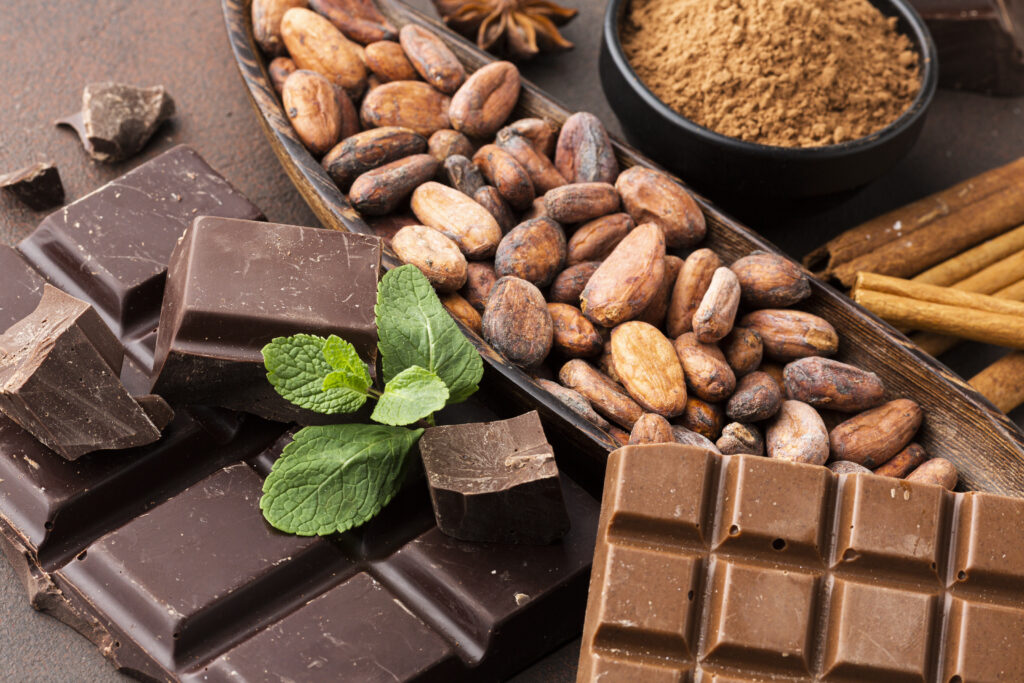
Raw cacao powder creates mocha-style mushroom coffee. The chocolate flavor masks earthiness while adding its own health benefits. Cocoa powder works similarly with milder chocolate taste. Use one to two teaspoons for noticeable chocolate presence without overwhelming coffee. Dark chocolate chips melted in create decadent richness. This works especially well when using a blender or frother.
Cacao nibs add subtle chocolate crunch and flavor. Stir them in and let them steep briefly before drinking for gentle chocolate infusion. Carob powder offers chocolate-like flavor without caffeine. This works for people wanting to minimize total caffeine intake while improving taste.
Salt Enhances Everything
A tiny pinch of sea salt reduces bitterness dramatically. Salt acts as a flavor enhancer that brings out coffee notes while reducing harsh elements. Pink Himalayan salt adds minerals along with flavor enhancement. The trace minerals complement the functional mushroom compounds.
Use just a few grains, seriously. Too much salt creates undrinkable liquid, while the right amount makes everything taste better without tasting salty. Add salt before other ingredients for best results. It needs to dissolve and interact with coffee compounds early in preparation.
Collagen for Creaminess
Collagen peptides create natural creaminess similar to cream. They dissolve completely and add protein without affecting flavor negatively. Grass-fed collagen provides additional health benefits alongside texture improvement. You’re stacking functional ingredients for comprehensive wellness support.
Start with one scoop, typically 10 grams. This adds substantial creaminess without overwhelming the drink or creating weird texture. Mix collagen in thoroughly before other additions. It needs proper incorporation to avoid clumping or gritty texture.
Protein Powder Integration
Vanilla protein powder creates shake-like mushroom coffee drinks. This turns your morning coffee into substantial meal replacement. Chocolate protein powder intensifies mocha flavors. Combined with cacao, this creates indulgent taste that hides any earthiness completely.
Unflavored protein adds substance without flavor interference. This works for people wanting protein boost without affecting carefully balanced flavor profile. Use a blender when adding protein powder. Shaking or stirring alone often leaves clumps that ruin the drinking experience.
Nut Butter Magic
Almond butter creates rich, creamy texture with nutty sweetness. Just one tablespoon transforms thin mushroom coffee into substantial, satisfying drink. Cashew butter offers milder flavor with luxurious creaminess. It blends smoothly and complements both coffee and mushroom notes.
Peanut butter works but has stronger flavor. This either enhances or overwhelms depending on personal preferences and proportions used. Blend nut butters in thoroughly for smooth integration. They don’t dissolve like powders, requiring vigorous mixing or blending.
Adaptogen Stacking
Ashwagandha powder adds earthy notes that blend naturally. This adaptogen complements mushroom flavors rather than clashing with them. Maca powder creates mild butterscotch-like sweetness. The earthy base actually pairs well with mushroom coffee’s natural profile.
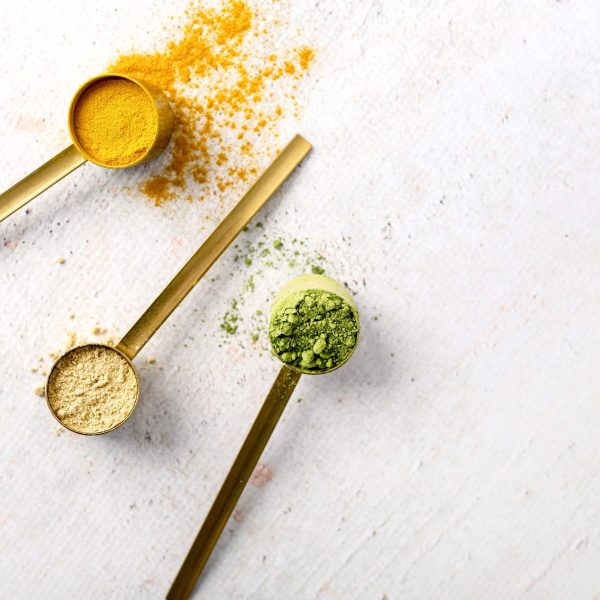
Turmeric adds warm, slightly peppery notes. Combined with black pepper for absorption, this creates golden milk-style mushroom coffee. Matcha powder transforms it into mushroom matcha latte. The green tea earthiness complements rather than competing with mushroom flavors.
Ice and Cold Brew Methods
Cold brewing mushroom coffee grounds reduces bitterness significantly. Steep overnight in cold water for smooth, naturally sweet results. Iced versions taste noticeably different from hot. Many people who dislike hot mushroom coffee love it over ice with milk.
Coffee ice cubes prevent dilution as ice melts. Make cubes from leftover mushroom coffee to maintain flavor strength. Blended frozen drinks create smoothie-like treats. Add frozen banana, ice, milk, and mushroom coffee for dessert-like healthy indulgence.
Layering Flavors Strategically
Build complexity gradually rather than dumping everything in. Start with fat, add sweetener, then spices for balanced, intentional flavor. Let hot additions steep briefly before drinking. Spices and aromatics need time to infuse into the liquid for full effect.
Taste between additions to find your perfect combination. Everyone’s preferences differ, so customizing to your palate creates best results. Take notes on successful combinations. When you discover a winning formula, write it down for consistent recreation.
Timing and Ritual Elements
Preparation ritual affects perception significantly. Taking time to prepare mindfully makes the drink taste better through psychological enhancement. Aromatherapy from spices during preparation primes your senses. Smelling cinnamon or vanilla while preparing creates positive anticipation.
Serving in a favorite mug improves the experience. Pleasant aesthetics and comfortable familiarity enhance perceived taste quality. Consistent morning ritual builds positive associations. Your brain learns to anticipate and enjoy the specific flavor profile over time.
What Not to Do
Avoid adding too many competing flavors at once. Kitchen sink approach usually creates muddled mess rather than improved taste. Don’t use boiling water directly on mushroom powder. Excessive heat can degrade beneficial compounds and create bitter, burnt flavors.
Skip artificial creamers with questionable ingredients. They add chemicals that defeat the clean wellness purpose of mushroom coffee. Don’t give up after one attempt. Finding your perfect formula requires experimentation and willingness to try different combinations.
Brand Quality Matters
Premium mushroom coffee needs less doctoring. Quality products taste good with minimal additions, while cheap versions never taste great regardless. Proper extraction methods affect base flavor significantly. Dual-extracted mushrooms integrate more smoothly into coffee matrix than poorly processed alternatives.
Fresh products taste better than old stale powder. Check dates and store properly to maintain optimal flavor potential. If no amount of additions helps, consider switching brands. Sometimes the base product is the problem, not your preparation technique.
Personal Preference Journey
Your taste buds adapt over time. What tastes weird initially often becomes enjoyable after a week or two of consistent exposure. Start with more additions and gradually reduce. As you adjust to the flavor, you’ll need less enhancement to enjoy it.
Expect evolution in your preferences. What works perfectly now might change as your palate develops and tastes shift. There’s no wrong way if you enjoy the result. The goal is finding how to make mushroom coffee taste good specifically for you.
Supporting Your Wellness Goals
Finding quality functional beverages and supplements from trustworthy sources matters. Powder Vitamin offers science-backed products designed to support wellness goals through proper formulation and quality ingredients. The functional beverage category continues growing as people discover that wellness supplements can taste good with the right approach and quality foundation.
Learning how to make mushroom coffee taste good through proper preparation, strategic additions, and flavor balancing techniques transforms this functional beverage from medicinal obligation into genuinely enjoyable morning ritual you look forward to daily.
Frequently Asked Questions (FAQs)
1. What Is the Single Best Addition to Improve Mushroom Coffee Taste?
Cinnamon ranks as the single most effective addition for most people. It adds natural sweetness and warmth that complements earthy mushroom notes while enhancing coffee flavor.
Just half a teaspoon transforms the entire taste profile. If you only try one addition, make it cinnamon. It works in both hot and cold preparations and pairs well with any milk or sweetener you might add later.
2. Can I Make Mushroom Coffee Taste Exactly Like Regular Coffee?
No, mushroom coffee will always taste somewhat different from regular coffee due to the mushroom extracts. However, you can make it delicious in its own right by embracing rather than fighting the difference.
Focus on enhancing and balancing flavors rather than trying to mask mushroom presence completely. Quality products with good coffee bases need less modification and taste more coffee-like naturally than cheap alternatives.
3. Why Does My Mushroom Coffee Taste Chalky or Gritty?
Chalky texture comes from inadequate mixing that leaves powder particles suspended or settled. Use a milk frother, blender, or shake vigorously for at least 30 seconds to fully incorporate powder.
Adding fats like coconut oil or cream helps create smooth mouthfeel. Some lower-quality products never fully dissolve regardless of mixing method, indicating formulation issues rather than preparation problems.
4. How Much Sweetener Should I Add?
Start with half what you’d use in regular coffee, typically one teaspoon of honey or maple syrup. Mushroom coffee is naturally less bitter than regular coffee, requiring less sweetening.
Add small amounts gradually, tasting between additions until you reach your preference. Many people find they need progressively less sweetener as their palate adjusts to the flavor over a week or two.
5. Does Adding Milk or Cream Reduce the Health Benefits?
No, adding milk, cream, or plant-based alternatives doesn’t reduce mushroom coffee’s functional benefits. The beneficial compounds remain active regardless of additions. In fact, some mushroom compounds are fat-soluble and may absorb better with dietary fats present.
Choose additions based on taste preferences and dietary goals without worrying about negating health benefits. The best mushroom coffee is one you’ll actually drink consistently.