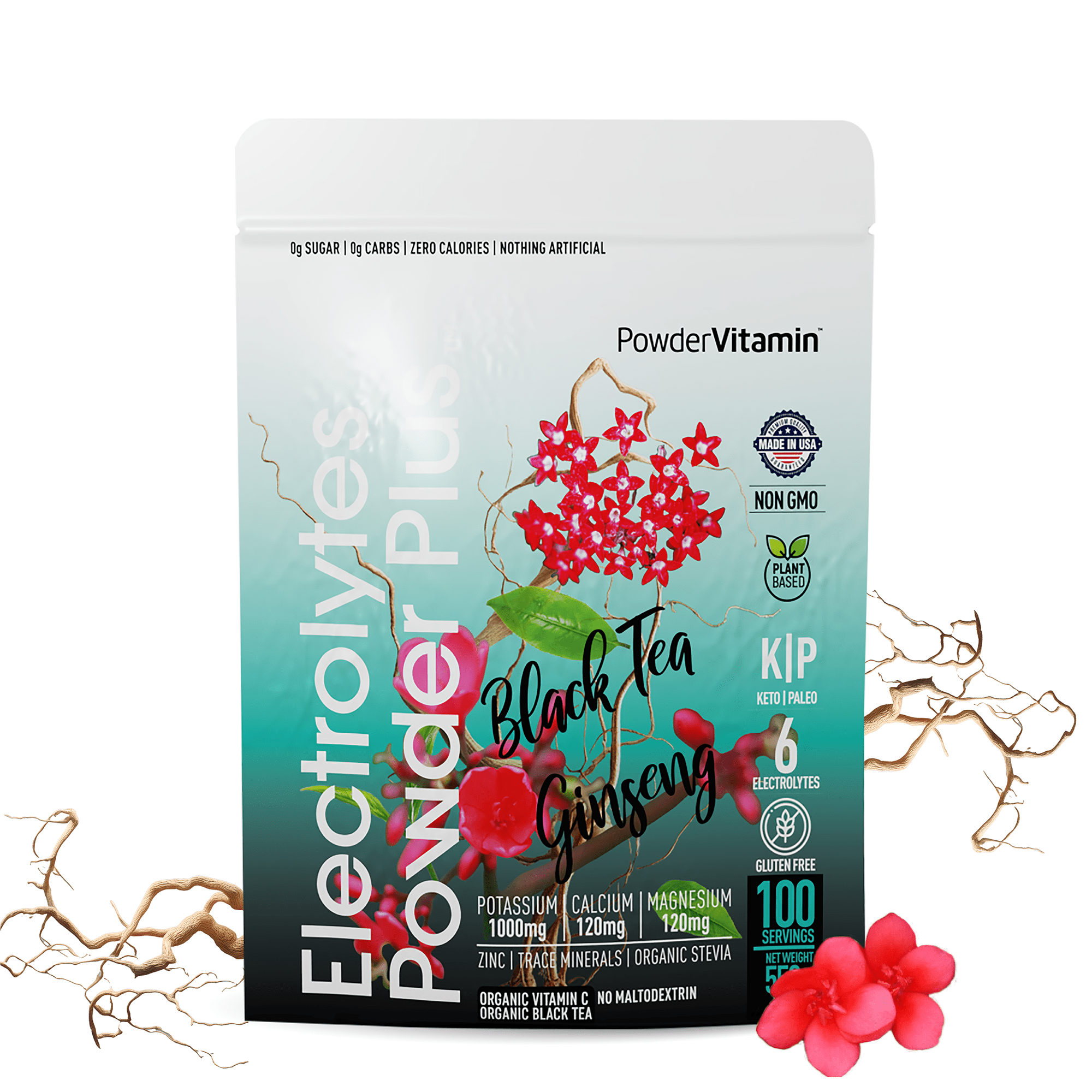
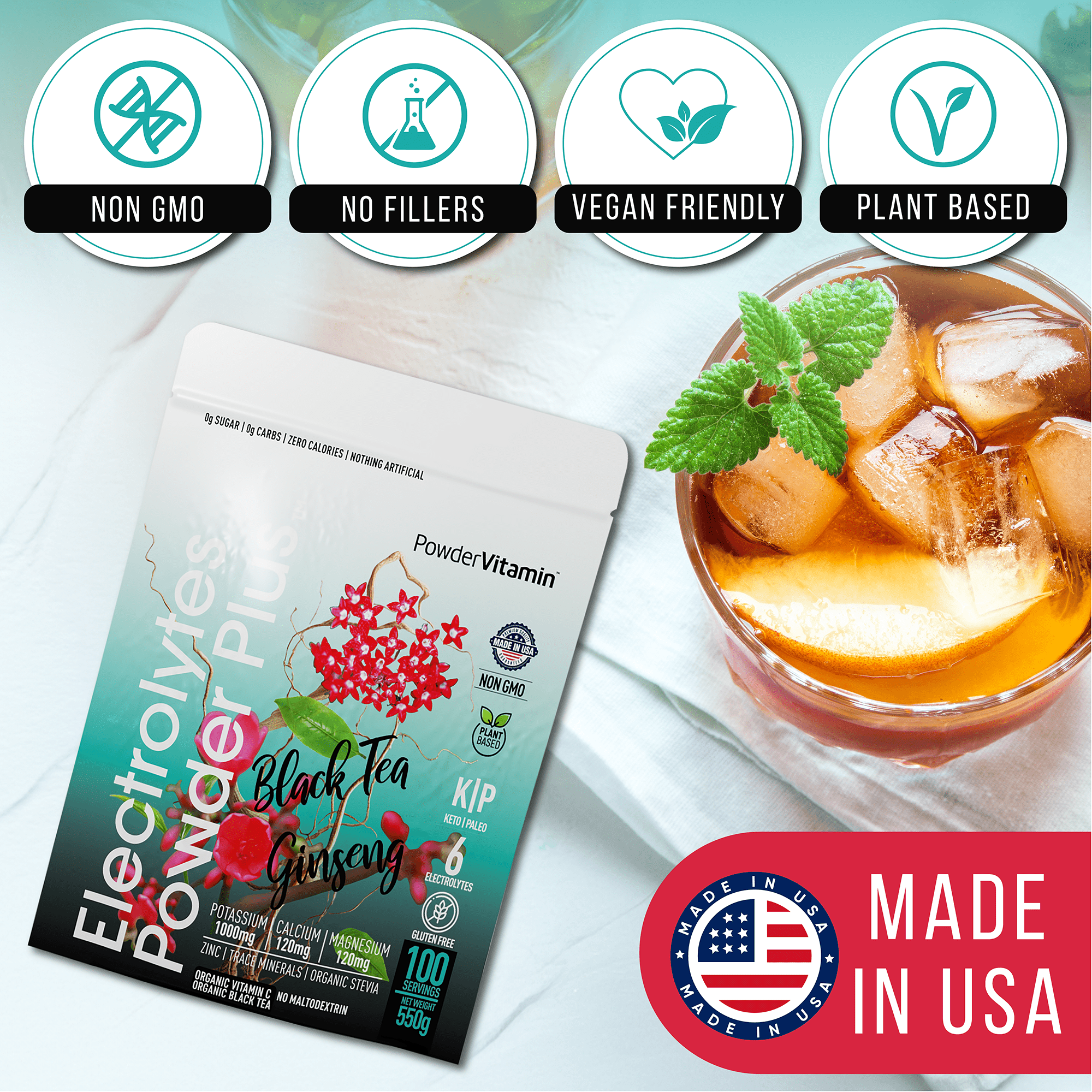
Black Tea Ginseng Electrolytes Powder Plus™ 100 Servings
$36.99 — or Original price was: $36.99.$31.44Current price is: $31.44. / month
Asking what is the healthiest electrolyte powder but finding conflicting answers depending on whether you prioritize low sugar, maximum minerals, natural ingredients, or specific health conditions?
Healthy means completely different things to different people. Someone managing diabetes defines healthy differently than an endurance athlete, while a person with kidney disease has entirely separate requirements.
The healthiest electrolyte powder isn’t a single product but rather the right match between formulation characteristics and your individual health profile, activity level, and wellness priorities.
Developing a personalized framework for evaluating health claims helps you identify which electrolyte powder serves your specific needs rather than chasing a mythical universally healthiest option that doesn’t actually exist.
Health depends on context, not absolute standards. A high-sodium formula perfect for marathon runners could harm someone with hypertension. Your activity level fundamentally changes what healthy means. Sedentary individuals need different mineral ratios than people exercising intensely daily.
Existing health conditions override general recommendations. Diabetes, kidney disease, heart conditions, and other diagnoses require medical guidance superseding wellness advice. Age affects mineral needs and tolerances. Growing children, healthy adults, and elderly people have legitimately different requirements.
Personal health goals guide appropriate choices. Weight loss, athletic performance, general wellness, and disease management all point toward different optimal formulations.
Sodium content between 300 and 500 milligrams per serving supports most active people. This range replaces typical sweat losses without excessive intake. Potassium at 200 to 400 milligrams balances sodium appropriately. The ratio between these two matters as much as absolute amounts.
Magnesium from 50 to 100 milligrams supports hundreds of body functions. This mineral is commonly deficient, making adequate amounts particularly valuable. Calcium at 20 to 50 milligrams rounds out profiles. While less critical for hydration specifically, it contributes to overall mineral balance.
Trace minerals from sea salt or mineral complexes provide selenium, zinc, and others. These micronutrients distinguish more nutritionally complete formulas.
Zero-sugar options benefit people managing blood glucose. Diabetics and pre-diabetics typically need sugar-free formulations. Low-sugar formulas with 2 to 5 grams support hydration science. Small glucose amounts activate cotransport mechanisms speeding water absorption during intense exercise.
High-sugar products with 15-plus grams add unnecessary calories for most people. These suit ultra-endurance athletes needing carbohydrate fueling but not casual users. Natural sugars from coconut water or fruit aren’t automatically healthier. They still affect blood sugar and provide calories despite being less processed.
Individual metabolic health determines sugar tolerance. What works for someone with healthy insulin sensitivity might harm someone with metabolic syndrome.
Artificial sweeteners remain controversial despite FDA approval. Some studies suggest potential gut microbiome effects while others show no harm. Artificial colors provide zero nutritional value. While not acutely dangerous for most people, they serve no health purpose whatsoever.
Artificial flavors mask inferior base ingredients often. Heavily flavored products might hide poor mineral quality or proportions. Preservatives extend shelf life but aren’t necessary in properly packaged powders. Their presence often indicates mass production with long distribution chains.
Individual sensitivities vary wildly. Some people tolerate artificial ingredients perfectly while others experience headaches, digestive issues, or other reactions.
Plant-based sweeteners like stevia and monk fruit avoid blood sugar impacts. These suit people managing glucose while providing taste. Real fruit flavoring adds small amounts of vitamins and phytonutrients. While not significant quantities, these represent nutritional bonuses.
Unrefined sea salt contains trace minerals beyond sodium chloride. These micronutrients contribute to more complete mineral replacement. Organic certification ensures no synthetic pesticides. This matters for ingredients like stevia or fruit powders derived from crops.
Fewer processing steps generally preserve more natural compounds. Minimally processed ingredients align with whole-foods nutrition philosophy.
B-vitamins in some formulas support energy metabolism. These water-soluble vitamins are safe in moderate amounts and help convert food to energy. Vitamin C provides antioxidant support and immune function. Some hydration powders include 100 to 500 milligrams per serving.
Vitamin D addresses widespread deficiency. A few formulas include 1,000 to 2,000 IU supporting bone health and immune function. Zinc supports immune system and recovery. Some recovery-focused formulas include 5 to 15 milligrams.
More isn’t always better with added vitamins. Excessive amounts can create imbalances or reach unsafe levels with multiple supplemented products.
Taurine appears in some performance formulas. This amino acid supports cardiovascular function and may enhance exercise performance. Glutamine aids gut health and recovery. Some post-workout hydration powders include 2 to 5 grams.
BCAAs support muscle recovery and reduce soreness. Formulas targeting athletes sometimes add leucine, isoleucine, and valine. These additions serve specific purposes beyond basic hydration. They make sense for targeted applications but aren’t necessary for everyone.
Extra ingredients increase costs and complexity. Simpler formulas focusing on core electrolytes work better for general hydration.
Gut-friendly formulations avoid irritating ingredients. Sugar alcohols cause issues for some people while being fine for others. Prebiotic fibers support beneficial gut bacteria. Some formulas include inulin or other fibers nourishing microbiome.
Probiotic additions theoretically support digestion. Heat and storage conditions question whether probiotics remain viable in powder form. Simple formulas typically cause fewer digestive issues. The more ingredients present, the higher chance something disagrees with your system.
Individual tolerance determines what works. Personal testing reveals which formulations your gut handles best.
Calcium and magnesium both support bone density. Adequate amounts contribute to long-term skeletal health. Vitamin D inclusion enhances calcium absorption. The combination provides more bone benefit than calcium alone.
Vitamin K2 helps direct calcium to bones rather than soft tissues. Few electrolyte powders include this but some comprehensive formulas do. Electrolyte balance affects calcium retention. Excessive sodium without adequate potassium and magnesium may increase calcium loss.
Long-term bone health requires consistent adequate intake. Daily hydration powder use contributes to cumulative mineral intake.
Sodium levels concern people with hypertension. Those with high blood pressure need medical guidance about appropriate amounts. Potassium supports healthy blood pressure. Adequate potassium intake helps counterbalance sodium effects on blood pressure.
Magnesium promotes healthy heart rhythm. This mineral supports electrical signaling in cardiac muscle. Sugar content affects metabolic health. High-sugar formulas consumed frequently may negatively impact cardiovascular risk factors.
Individual cardiovascular health determines appropriate formulations. People with heart conditions must consult doctors before regular electrolyte supplementation.

Zero-calorie formulas support weight loss efforts. Avoiding unnecessary sugar eliminates 60 to 100 calories per serving. Adequate hydration aids weight management. Proper mineral balance helps your body metabolize fat and build muscle effectively.
False hunger signals often stem from dehydration. Proper hydration with minerals reduces unnecessary eating from misinterpreted thirst. Some ingredients may affect appetite. Certain formulations help some people feel fuller while others notice no effect.
Sustainable hydration habits matter more than perfect formulas. The best product is one you’ll actually use consistently.
Higher sodium serves heavy sweaters and endurance athletes. Some people lose 1,000-plus milligrams per hour requiring robust replacement. Carbohydrate inclusion benefits efforts over 90 minutes. Quick energy from sugar serves functional purposes during long activities.
Recovery-focused formulas emphasize magnesium and sometimes protein. Post-workout hydration supports repair processes. Timing matters for athletic applications. Pre, during, and post-workout each benefit from slightly different formulations.
Individual sweat rate and composition vary dramatically. Some athletes need double the minerals others require.
Pregnancy increases fluid and mineral needs. Proper hydration supports increased blood volume and fetal development. Breastfeeding mothers need additional fluids and minerals. Milk production demands significant hydration resources.
Elderly adults often have reduced thirst sensation. Electrolyte powders help maintain adequate hydration when natural signals fail. Children need smaller amounts and different ratios. Pediatric formulas account for smaller body sizes and developing systems.
People with chronic illnesses require individualized approaches. Medical conditions fundamentally change what constitutes healthy.
Gluten-free formulas matter for celiac disease. Cross-contamination during manufacturing can affect highly sensitive individuals. Dairy-free options accommodate lactose intolerance. Most electrolyte powders naturally avoid dairy but check carefully.
Soy-free formulations help soy-allergic individuals. Some cheaper products use soy-derived ingredients as fillers. Corn-free options suit corn allergy or sensitivity. Maltodextrin and citric acid often derive from corn.
Top-8 allergen-free products provide maximum safety. These avoid wheat, dairy, eggs, fish, shellfish, tree nuts, peanuts, and soy.
Third-party testing for contaminants ensures safety. Heavy metals, pesticides, and microbes should all be verified absent. Potency verification confirms label claims match contents. Just because formulas are healthy doesn’t guarantee accurate labeling.
Banned substance testing matters for competitive athletes. Informed Choice or NSF Certified for Sport verification prevents inadvertent violations. Certificate of Analysis availability demonstrates transparency. Companies confident in quality share detailed testing results.
Regular batch testing versus occasional checks indicates commitment. Quality brands test every production run, not just randomly.
Premium pricing sometimes reflects superior nutrition. Better mineral forms, added vitamins, and rigorous testing justify higher costs. Expensive doesn’t guarantee healthiest though. Some brands charge for marketing and packaging rather than nutritional superiority.
Cost-per-serving combined with nutrient density determines value. Calculate minerals and vitamins received per dollar spent. Subscription discounts make healthier options more accessible. Automatic delivery often includes 15 to 25 percent savings.
Long-term health value outweighs immediate savings. Investing in genuinely healthy formulations prevents future health costs.
No single product is universally healthiest. Your optimal choice differs from someone else’s based on individual factors. Medical conditions override general wellness advice. Kidney disease, heart conditions, and diabetes require professional guidance.
Trial and error reveals what works for your body. Personal response matters more than theoretical perfection. Regular assessment ensures continued appropriateness. Your needs change with age, activity, and health status.
Flexibility allows adjusting as circumstances change. What’s healthiest this year might differ next year.
Finding quality hydration solutions that match your health profile makes wellness sustainable. Powder Vitamin offers science-backed products designed to support diverse needs through proper formulation and quality ingredients.
The personalized nutrition movement recognizes that health recommendations must account for individual differences rather than applying universal standards.
What is the healthiest electrolyte powder depends entirely on your individual health status, activity level, dietary restrictions, and wellness goals, requiring evaluation of mineral content, sugar levels, additional nutrients, and ingredient quality against your specific needs rather than searching for a universally superior option.
A truly healthy electrolyte powder provides adequate minerals for hydration without unnecessary additives that don’t serve functional purposes. Look for 300 to 500 milligrams sodium, 200 to 400 milligrams potassium, and 50 to 100 milligrams magnesium per serving.
Healthy formulas minimize or eliminate added sugars unless needed for athletic performance, avoid artificial colors and unnecessary preservatives, and include only ingredients with clear purposes. However, what’s healthy for you specifically depends on your activity level, health conditions, and personal needs.
Zero-sugar is healthier for most people doing everyday activities or managing blood glucose. It eliminates 60 to 100 unnecessary calories per serving while providing identical hydration benefits.
However, small amounts of sugar, about 2 to 5 grams, can enhance absorption during intense exercise over 90 minutes. For diabetics, pre-diabetics, or people managing weight, zero-sugar is clearly healthier. For ultra-endurance athletes needing quick fuel, modest sugar serves functional purposes. Context determines which is healthier for your situation.
Added vitamins can enhance health value if you need those specific nutrients. B-vitamins support energy metabolism, vitamin C provides antioxidants, and vitamin D addresses widespread deficiency. However, these aren’t necessary for basic hydration and add cost.
If your diet already provides adequate vitamins or you take separate supplements, added vitamins in hydration powder offer minimal benefit. They make formulas healthier for people with dietary gaps but not necessarily for those already meeting nutritional needs through food and supplements.
Natural sweeteners like stevia and monk fruit are generally considered healthier because they’re minimally processed plant extracts. They provide sweetness without calories or blood sugar impacts. Artificial sweeteners like sucralose and aspartame are FDA-approved as safe but concern some consumers regarding gut microbiome effects.
For most healthy people, either works fine. Those with sensitivities, pregnant women, or people prioritizing minimally processed foods typically prefer natural options. Personal philosophy and individual tolerance should guide your choice.
Yes, certain formulations can be problematic for specific health conditions. High-sodium formulas may harm people with hypertension or heart failure. Sugar-containing versions can negatively affect diabetics. People with kidney disease must monitor potassium and phosphorus carefully.
Those on certain medications may experience interactions with electrolyte supplementation. Anyone with chronic health conditions, taking regular medications, or pregnant should consult healthcare providers before using electrolyte powders regularly. What’s healthy for one person may be inappropriate for another based on medical history.


No account yet?
Create an Account