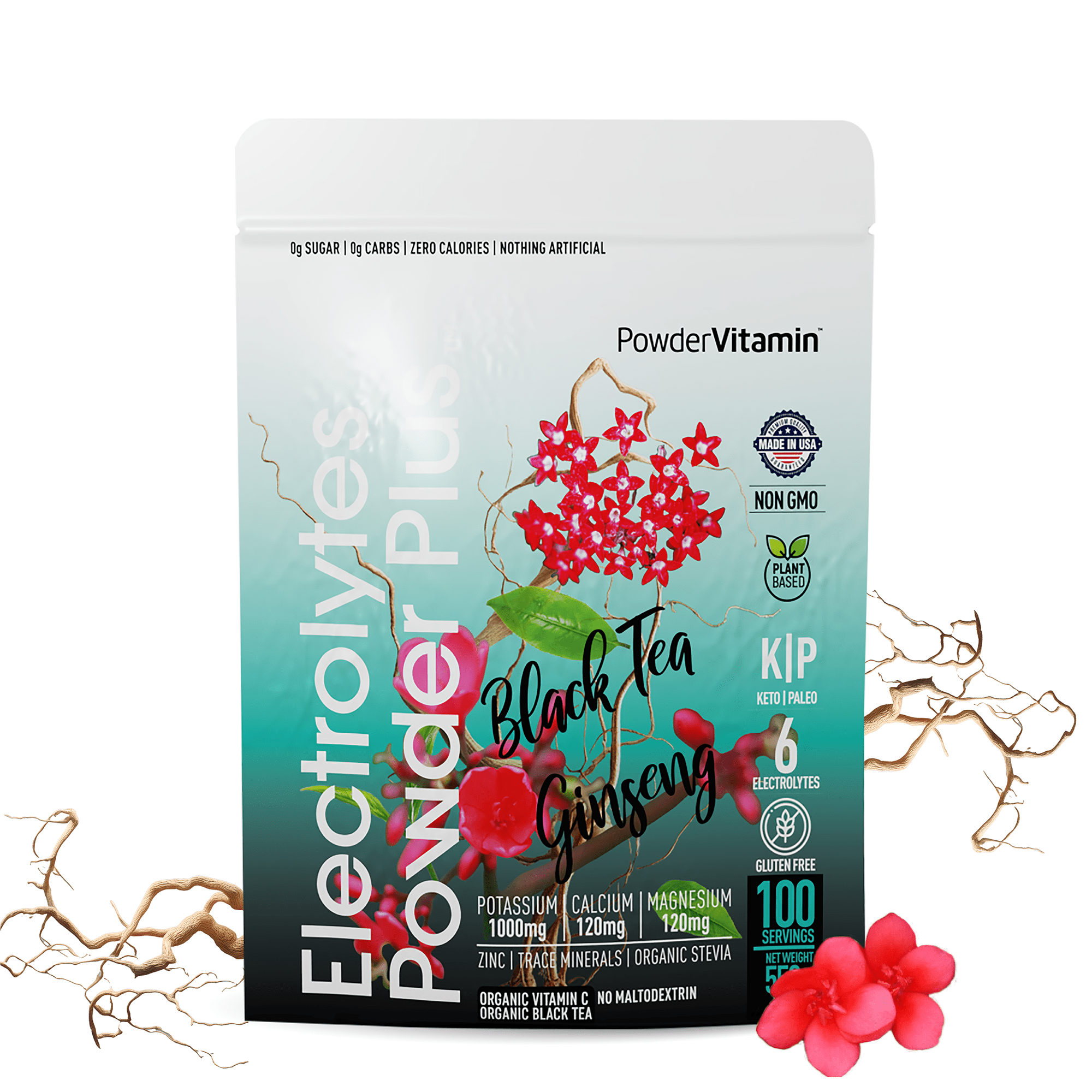
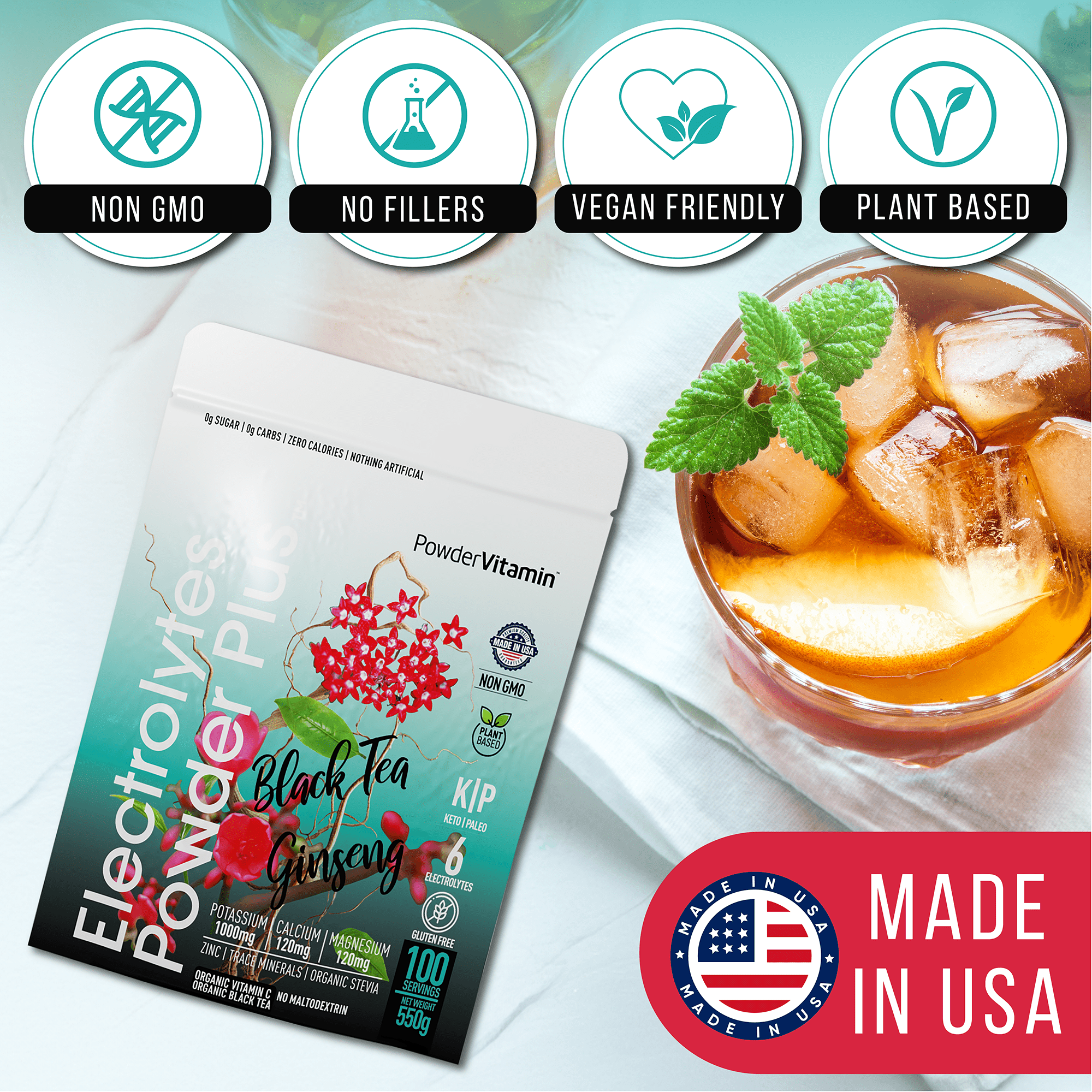
Black Tea Ginseng Electrolytes Powder Plus™ 100 Servings
$36.99 — or Original price was: $36.99.$31.44Current price is: $31.44. / month
Trying to find the best mushroom coffee when every brand claims superior taste, maximum potency, and life-changing benefits backed by ancient wisdom? The mushroom coffee category exploded from niche wellness product to mainstream phenomenon practically overnight. This rapid growth attracted both quality producers genuinely advancing functional beverages and opportunistic brands capitalizing on the trend.
The challenge isn’t finding mushroom coffee anymore but determining which brands deliver legitimate functional benefits, taste good enough for daily drinking, and justify their price points through quality rather than clever marketing. Developing a framework for evaluating brands objectively helps you cut through promotional noise and find formulas that actually work for your specific needs and preferences.
Mushroom extraction quality determines whether beneficial compounds make it from mushroom to your cup. This single factor separates effective products from expensive disappointments. Coffee quality establishes the baseline drinking experience. Premium beans create enjoyable beverages while poor coffee ruins the experience regardless of mushroom content.
Actual mushroom amounts per serving reveal whether you’re getting functional doses. Pretty labels mean nothing if mushroom content sits below effective thresholds. Price-to-value ratios help determine fair versus inflated pricing. Expensive doesn’t guarantee quality, and cheap doesn’t automatically mean inferior.
Transparency about sourcing, testing, and manufacturing builds trust. Brands confident in their products share details readily rather than hiding behind vague marketing language.
Dual extraction using both water and alcohol captures complete compound profiles. Water pulls polysaccharides while alcohol extracts triterpenes, together providing full-spectrum benefits. Single extraction using only hot water misses half the beneficial compounds. These products cost less to produce but deliver incomplete results.
Fruiting body extracts contain concentrated beneficial compounds. Mycelium grown on grain includes less active material and more grain filler. Extraction ratios like 10 to 1 or 15 to 1 indicate concentration levels. Higher ratios mean more mushrooms concentrated into less powder, generally improving potency.
Testing for beta-glucan content verifies actual beneficial compounds. Percentages should be clearly stated, typically ranging from 20 to 40 percent in quality extracts.
Arabica beans provide superior flavor to Robusta beans. Most quality brands specify 100 percent Arabica for smoother, less bitter profiles. Single-origin coffees offer distinct flavor characteristics. While not necessary, this attention suggests overall quality consciousness.
Organic certification for coffee beans avoids pesticide exposure. Coffee is heavily sprayed conventionally, making organic status meaningful. Roast level affects flavor and caffeine content. Medium roasts balance flavor with caffeine while dark roasts taste bolder but contain slightly less caffeine.
Fresh roasting timelines matter for taste. Coffee loses flavor within weeks of roasting, so recently roasted beans indicate attention to quality.
Lion’s mane alone targets cognitive function specifically. Brands using only this mushroom focus clearly on mental performance and clarity. Chaga alone emphasizes antioxidant and immune support. Single-mushroom products appeal to people targeting specific benefits.
Cordyceps alone enhances physical energy and stamina. Athletes often prefer cordyceps-focused formulas for performance benefits. Reishi alone promotes stress management and calm. Evening formulas sometimes feature reishi for relaxation without other stimulating mushrooms.
Multiple mushroom blends provide comprehensive benefits. Four to six mushroom combinations offer wider functional support but make individual effects harder to isolate.
Low-caffeine formulas with 40 to 60 milligrams suit sensitive individuals. These provide gentle alertness without overstimulation or anxiety. Moderate caffeine at 80 to 100 milligrams balances stimulation with smoothness. This middle ground works for people reducing from regular coffee.
Regular caffeine levels of 100 to 140 milligrams match traditional coffee. Brands using these amounts target people wanting familiar energy levels. Decaffeinated versions allow mushroom benefits without caffeine. These work for evening consumption or people avoiding stimulants entirely.
Caffeine transparency requires clear milligram labeling. Vague “comparable to coffee” claims without specific amounts indicate poor transparency.
Coffee-forward flavors emphasize familiar coffee taste. These appeal to people prioritizing coffee experience with mushrooms as subtle enhancement. Earth-forward profiles let mushroom character shine through. Wellness enthusiasts comfortable with earthy flavors often prefer this approach.
Neutrally balanced options find middle ground. Neither coffee nor mushrooms dominate, creating harmonious unified flavor. Flavored versions add vanilla, mocha, or other tastes. These help newcomers transition by masking any unfamiliar mushroom notes.
Quality determines palatability more than category. Excellent coffee-forward products beat poor earth-forward ones regardless of preference.

Budget tier at 0.75 to 1.25 dollars per serving uses minimal mushroom amounts. These introduce the category affordably but deliver modest benefits. Mid-range at 1.50 to 2.25 dollars per serving balances quality and accessibility. Most serious daily users land here for sustainable long-term costs.
Premium tier at 2.50 to 3.50 dollars per serving maximizes mushroom content. These target committed users wanting maximum potency. Luxury tier above 4 dollars per serving adds certifications and exclusivity. These appeal to people valuing absolute highest quality regardless of cost.
Value differs from price. Mid-range brands sometimes deliver better per-milligram mushroom costs than premium options charging for brand prestige.
Ground coffee for brewing offers traditional preparation. French press, pour-over, and drip machine users prefer this familiar format. Instant powder provides maximum convenience. Just add hot water for quick preparation without brewing equipment.
Single-serve pods fit Keurig machines. Convenient but typically most expensive per serving and environmentally questionable. Ready-to-drink bottles deliver ultimate convenience. These cost significantly more and create packaging waste but require zero preparation.
Concentrated liquid drops add to regular coffee. These let you enhance your existing coffee rather than replacing it entirely.
Complete ingredient disclosure with exact milligrams demonstrates confidence. Hiding behind proprietary blends suggests something to conceal. Sourcing information about where mushrooms grow builds trust. Knowing geographic origins and cultivation methods matters to informed consumers.
Testing certificates publicly available verify claims. Certificate of Analysis documents showing independent lab results indicate serious quality commitment. Customer service responsiveness to detailed questions reveals knowledge. Companies understanding their products answer technical questions readily.
Educational content beyond just selling shows investment. Brands educating consumers about mushrooms generally care about outcomes beyond profits.
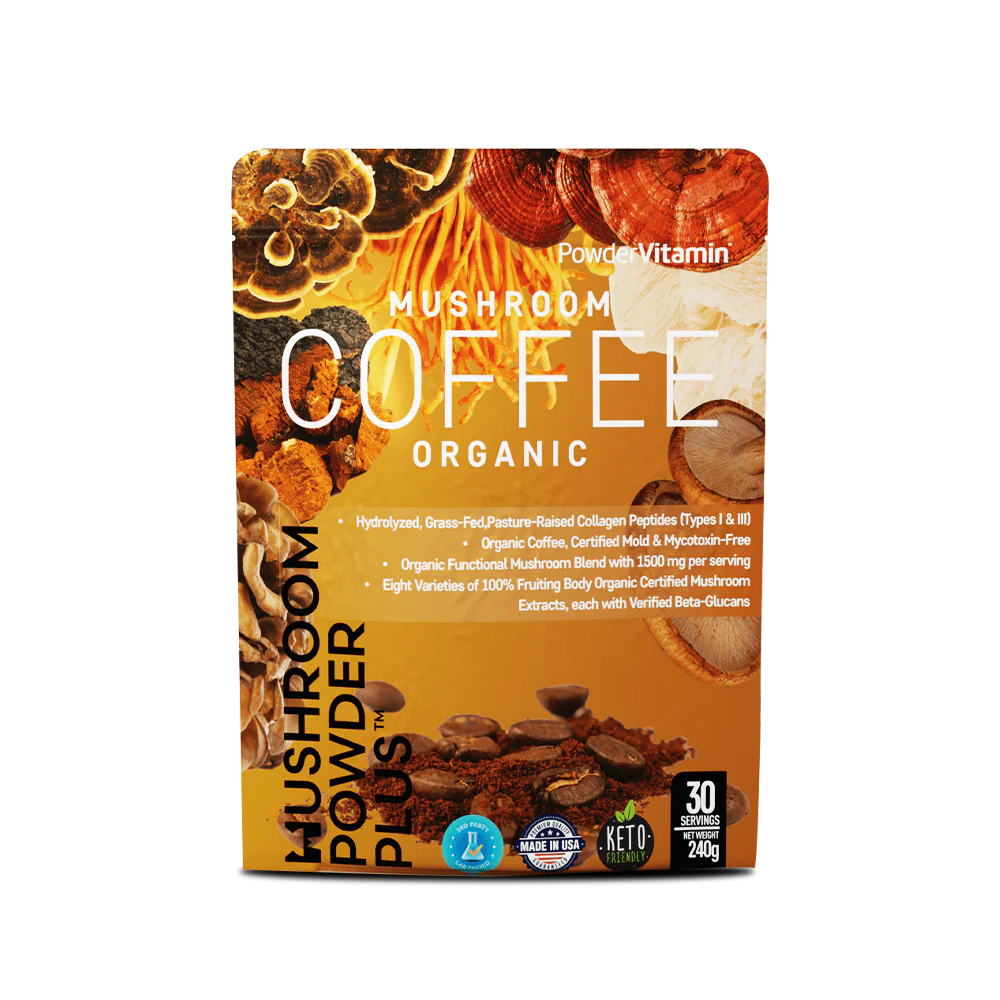
For those seeking a comprehensive mushroom coffee experience with quality ingredients, Mushroom Powder Plus Coffee delivers eight premium mushrooms in one convenient blend.
Why This Works
The ceremonial matcha version offers an alternative to coffee while maintaining full mushroom benefits with natural L-theanine for calm focus.
Why This Works
For maximum value and variety, the bundle option provides sustained supply at reduced cost.
Why This Works
Realistic benefit descriptions acknowledge gradual effects. Honest brands explain that cognitive improvements build over weeks, not minutes. Overblown promises about energy or focus signal questionable marketing. Claiming dramatic instant transformations contradicts how functional mushrooms actually work.
Research citations supporting claims add credibility. While not required, brands referencing actual studies demonstrate scientific literacy. Absence of miracle cure language indicates maturity. Responsible brands position products as wellness support, not medical interventions.
Money-back guarantees show confidence. Brands standing behind effectiveness allow returns if results don’t meet expectations.
USDA Organic certification verifies no synthetic pesticides. This matters for both coffee and mushrooms throughout production. Non-GMO Project verification ensures genetic integrity. While mushrooms aren’t typically GMO, coffee and other ingredients might be.
NSF or Informed Sport certification confirms no banned substances. Athletes need these certifications to compete without substance violations. Good Manufacturing Practice compliance indicates quality control. GMP certification shows standardized production meeting quality benchmarks.
Third-party heavy metal testing ensures safety. Clean products verify no lead, arsenic, mercury, or cadmium contamination.
Mycelium on grain instead of fruiting bodies reduces costs dramatically. This produces inferior mushroom content with grain filler diluting benefits. Single extraction instead of dual saves money but halves beneficial compounds. Hot water alone can’t extract fat-soluble triterpenes.
Low actual mushroom amounts around 250 to 500 milligrams per serving. While better than nothing, these doses likely provide minimal benefits. Vague “mushroom blend” without specific amounts hides weak formulations. Quality brands break down each mushroom type with exact milligrams.
Artificial flavoring masking poor quality ingredients. Excessive flavoring suggests the base product tastes bad without heavy disguise.
Mixability affects daily use satisfaction. Clumping or sediment creates unpleasant texture that discourages consistent consumption. Packaging convenience influences routine adherence. Easy-to-use containers or packets remove friction from daily habits.
Serving size practicality matters for preparation. Tiny scoops requiring multiple servings or huge scoops creating waste frustrate users. Scoop inclusion seems minor but matters. Hunting for measuring spoons every morning adds annoying friction.
Resealability maintains freshness between uses. Poor sealing leads to stale product and wasted money.
Automatic delivery ensures consistency without reordering. Set-it-and-forget-it convenience supports long-term habits. Discount amounts for subscriptions vary dramatically. Some brands offer 10 percent while others provide 25 percent off.
Flexibility to skip, pause, or cancel matters. Restrictive subscription policies create frustration when life circumstances change. Frequency options accommodate different consumption rates. Monthly works for daily users while every two months suits occasional consumers.
Free shipping typically accompanies subscriptions. This hidden savings adds meaningful value beyond percentage discounts.
Summer preferences often favor lighter, cold-brew-friendly options. Hot coffee consumption drops while iced beverage popularity rises. Winter tastes shift toward richer, warming flavors. Seasonal preferences genuinely affect which brands and flavors satisfy.
Travel needs favor instant or packet formats. Ground coffee requiring brewing equipment doesn’t travel well. High-stress periods might prioritize reishi-heavy formulas. Adaptogenic stress support becomes more valuable during demanding times.
Athletic training phases benefit from cordyceps-focused options. Performance-oriented mushrooms align with specific training goals.
Learning how to make mushroom coffee more enjoyable helps maintain consistent daily use. Natural additions like cinnamon, vanilla, or cacao transform basic mushroom coffee into gourmet experiences. These enhance rather than mask the beneficial properties.
Temperature and preparation methods dramatically affect taste. Cold brewing or proper hot water temperature extraction creates smoother, more palatable results. Finding your personal preference takes experimentation. What works perfectly for one person might not suit another’s taste preferences.
Exploring mushroom matcha provides variety while maintaining functional benefits for those wanting options beyond coffee. Matcha offers L-theanine naturally, creating inherently calm energy when combined with mushrooms. This differs from coffee’s caffeine profile.
Different functional beverages suit different times of day or purposes. Coffee for morning energy, matcha for afternoon focus, each serving distinct roles. Having multiple options prevents flavor fatigue. Rotating between mushroom coffee and matcha keeps the routine interesting.
Identify your primary goal for drinking mushroom coffee. Focus, energy, immune support, or stress management each point toward different formulas. Assess your caffeine needs and tolerance honestly. Your ideal brand depends on whether you need 40, 80, or 120 milligrams.
Consider your budget realistically for sustainable use. The best brand you can’t afford long-term won’t serve you well. Evaluate taste preferences against effectiveness priorities. Decide whether flavor or maximum mushroom content matters more to you.
Trial multiple brands through sample sizes when possible. Personal experience matters more than any review or comparison.
Finding quality functional beverages that deliver real results matters for achieving health goals. Powder Vitamin offers science-backed products designed with proper formulation and quality ingredients for people serious about wellness outcomes.
The functional coffee category matures as consumers become more educated about what separates genuinely effective products from marketing-heavy disappointments.
The best mushroom coffee varies dramatically in extraction quality, mushroom content, coffee quality, and transparency, requiring careful evaluation of actual ingredients and testing rather than relying on marketing claims to find formulas delivering legitimate functional benefits worth the investment.
No single brand is universally best because priorities differ. The best brand for you depends on your goals, budget, and taste preferences. Someone prioritizing maximum mushroom content needs different brands than someone wanting great coffee taste with modest functional benefits.
Look for brands using dual extraction, fruiting body mushrooms, at least 1,000 milligrams total mushroom extract per serving, and transparent testing. Powder Vitamin products deliver comprehensive eight-mushroom blends with verified quality standards.
Check for dual extraction methods capturing both water and alcohol-soluble compounds. Verify they use fruiting body mushrooms rather than mycelium on grain. Look for specific mushroom amounts in milligrams, not vague “proprietary blends.” Seek third-party testing certificates verifying beta-glucan content and purity.
Quality brands transparently answer questions about sourcing and manufacturing. If a company won’t provide clear information about extraction methods and mushroom amounts, consider that a red flag.
Sometimes yes, sometimes no. Price should reflect mushroom content, extraction quality, and testing rigor. A three dollar per serving brand using 2,000 milligrams of dual-extracted fruiting body mushrooms with third-party testing justifies the cost. A three dollar brand using 500 milligrams of questionable extraction doesn’t.
Calculate cost per milligram of mushroom extract to assess value. Mid-range brands around 1.50 to 2 dollars per serving often provide the best value-for-quality ratio.
No, taste varies dramatically between brands based on coffee quality, mushroom types, and extraction methods. Some taste almost identical to regular coffee while others have pronounced earthy notes. Brands using premium Arabica beans and lower mushroom concentrations taste more coffee-like.
Those emphasizing mushroom content taste earthier. Instant versions often taste different from ground coffee versions of the same brand. You need to try multiple brands to find your taste preference.
Yes, switching between brands is fine and sometimes beneficial. Different brands use different mushroom combinations, so rotating might provide broader compound exposure. However, consistency helps assess whether specific formulas work for you.
Use one brand for at least three to four weeks before evaluating effectiveness. Some people keep multiple brands, using cognitive-focused formulas on work days and stress-management formulas on weekends for targeted benefits based on daily needs.
No account yet?
Create an Account